


What is primary hypertension?

In daily life, both hypertension and hypotension are common. This condition frequently occurs in elderly individuals and women. Hypertension has numerous potential causes and can pose certain health risks to the individual. So, what exactly is essential hypertension?
What Is Essential Hypertension?
Essential hypertension refers to high blood pressure without an identifiable underlying cause. It is generally believed to result from a combination of genetic and age-related factors, obesity, physical inactivity, mental stress, and high-salt diets. Any factor that increases blood volume, peripheral vascular resistance, or myocardial contractility can contribute to elevated blood pressure. In contrast, secondary hypertension is commonly caused by kidney disease. Additionally, thyroid disorders and cervical spondylosis may also lead to hypertension.

Aside from genetic predisposition, high dietary salt intake, overweight/obesity, and moderate-to-heavy alcohol consumption are internationally recognized as the three major risk factors for hypertension. Sodium intake correlates positively with both blood pressure elevation and the prevalence of hypertension. Conversely, potassium intake shows a negative correlation with blood pressure. Body weight also correlates positively with blood pressure levels; individuals with a body mass index (BMI) exceeding 24 have a three- to fourfold higher risk of developing hypertension compared to those with normal weight.
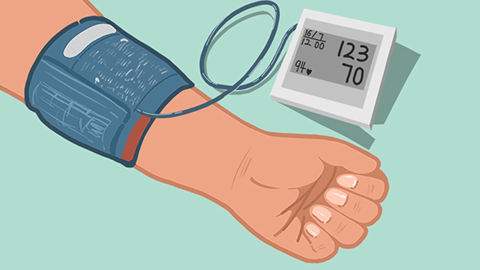
Patients are advised to maintain a light, low-sodium diet, quit smoking, limit alcohol intake, and monitor their blood pressure regularly. We hope this information is helpful to you.


