


What Should People with Hypotension Eat?
Aug 24, 2022
Source: Cainiu Health

Dr. Li Man
Introduction
For hypotension, it is recommended to consume more high-quality protein foods, such as eggs, milk, lean meat, shrimp, and fish. Additionally, incorporating pungent foods—such as chili peppers, onions, ginger, and garlic—may be beneficial. Adequate caloric intake should be ensured, including staple foods and healthy fats. Regarding physical activity, aerobic exercises are preferred, such as jogging, swimming, badminton, table tennis, and square dancing.
In daily life, hypertension is not only very common but—contrary to what the text states—is *not* a type of low blood pressure. In fact, hypertension refers to high blood pressure, whereas hypotension refers to low blood pressure. Hypotension is relatively common, especially among elderly individuals and women. There are numerous potential causes of hypotension, and it can pose certain risks to an individual’s health. Many people naturally wonder: What should one eat when experiencing hypotension?
What Should People with Hypotension Eat?
Individuals with hypotension are advised to consume foods rich in high-quality protein, such as eggs, milk, lean meat, shrimp, and fish. Additionally, incorporating mildly stimulating seasonings—such as chili peppers, onions, ginger, and garlic—may be beneficial. It is also important to ensure adequate caloric intake, including sufficient carbohydrates (e.g., staple grains) and healthy fats. For physical activity, aerobic exercises are recommended—for example, jogging, swimming, badminton, table tennis, or square dancing. Exercise intensity should be increased gradually; if symptoms such as dizziness, tinnitus, or syncope occur due to overexertion, rest should be taken immediately.
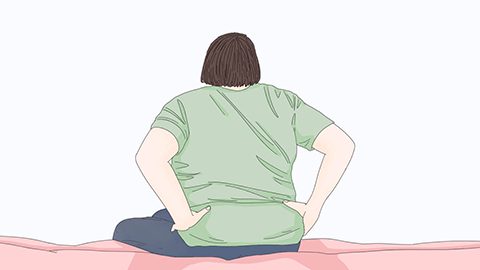
During exercise, staying well-hydrated—particularly with lightly salted water—is recommended to prevent hypovolemia (reduced blood volume) caused by excessive sweating, which may exacerbate hypotension. Hypotension can be classified into two main types: physiological (or primary) hypotension and pathological (or secondary) hypotension. Physiological hypotension is characterized solely by lowered arterial blood pressure without other associated symptoms. In contrast, pathological hypotension not only lowers blood pressure but may also cause serious manifestations such as shock or syncope. For physiological hypotension, improving nutritional status and moderately increasing dietary sodium intake may help stabilize blood pressure.
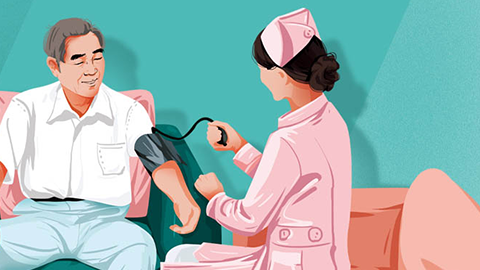
Patients with symptomatic or pathological hypotension should seek prompt medical evaluation and treatment. Therapeutic interventions may include intravenous dopamine to raise blood pressure and supportive measures to improve tissue perfusion. We hope this information proves helpful.


