


What tea is suitable for individuals with spleen deficiency?

There are many causes of spleen deficiency. In most cases, spleen deficiency arises from poor dietary habits; however, numerous other factors may also contribute. When such symptoms appear, attention must be paid promptly. If left unaddressed over a prolonged period, the condition may worsen and potentially lead to additional health complications. Drinking tea can be beneficial for individuals with spleen deficiency—so which teas are suitable?
Which Teas Are Suitable for Spleen Deficiency?
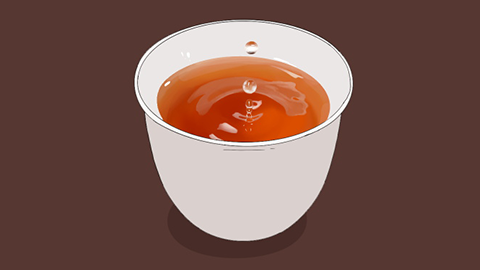
Individuals with spleen deficiency are generally advised against drinking tea, as most teas are inherently cooling in nature. For those with spleen-stomach deficiency-cold, consuming cold-natured teas may exacerbate symptoms such as abdominal distension, gastric pain, or vomiting—especially following a cold. If patients strongly desire to drink tea, they may opt for warming varieties traditionally used to support spleen-stomach function, such as black tea or aged Pu’er tea. These teas possess relatively warming properties and are especially suitable for winter consumption; however, their therapeutic efficacy for treating spleen-stomach deficiency-cold remains limited.
Spleen deficiency can also be addressed through herbal teas, which help strengthen the spleen and stomach while regulating the body’s internal environment. Commonly used medicinal teas include buckwheat tea, goji berry tea, ginger-black tea, jujube tea, and hawthorn-honey tea. These herbal teas aid digestion, fortify the spleen and stomach, enhance physical vitality, and may even replenish qi and blood, promote fluid production, tonify qi, and alleviate pain—offering significant therapeutic benefits.

Maintaining a balanced and appropriate diet is critically important for patients. Spicy, irritating foods; greasy, hard-to-digest foods; and raw, cold foods should all be avoided. We hope this information proves helpful to you.


