


What foods should be avoided in cases of Qi deficiency?

Qi deficiency is, in fact, a broad diagnostic category in Traditional Chinese Medicine (TCM) encompassing numerous diseases. This condition arises from a pathological state caused by insufficient vital energy (Qi), and individuals affected often have relatively weak constitutions from birth. They typically appear frail and pale. Fortunately, Qi deficiency can be alleviated through proper regulation and lifestyle adjustments. So, what foods should individuals with Qi deficiency avoid?
Foods to Avoid with Qi Deficiency
Individuals with Qi deficiency should avoid foods that deplete or disperse Qi—such as betel nut, hawthorn, and finger citron—as these may exacerbate the condition. Additionally, they should refrain from consuming greasy, overly sweet, cold, or spicy foods, as these can impair Spleen and Stomach function, thereby worsening Qi deficiency symptoms. Furthermore, bitter-cold foods with heat-clearing, laxative, or bowel-movement-promoting effects—such as bitter melon and Chinese cabbage—are also unsuitable.

Qi deficiency is a distinct syndrome in TCM, referring to a constellation of deficiency-related symptoms resulting from insufficient Qi within the body. Clinical manifestations may include generalized fatigue, reluctance to speak (due to lack of energy), shortness of breath, poor appetite, loose stools, and a thready or weak pulse. According to TCM theory, impaired Spleen and Stomach function is a primary underlying cause of Qi deficiency. As the Spleen and Stomach are considered the source of Qi and Blood production, their dysfunction readily leads to Qi deficiency.
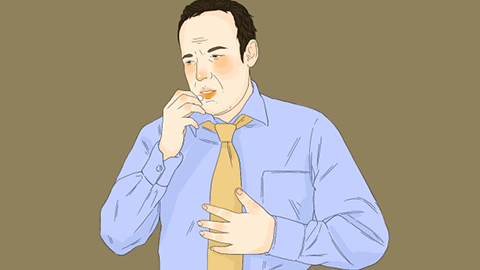
In daily life, maintaining regular dietary habits is essential. Avoid spicy and stimulating foods, overeating, or irregular eating patterns, and ensure adequate rest—particularly by avoiding late-night activities. We hope this information proves helpful to you.


