


How is papular urticaria treated?

Some individuals have highly sensitive skin. Mosquitoes are particularly rampant during summer. When bitten by mosquitoes, they may develop papular urticaria—a type of allergic dermatosis. In some cases, this condition is triggered by consuming allergenic foods. Common symptoms include pruritus (intense itching), swelling, nausea, and vomiting—leading to sleeplessness, loss of appetite, and significant discomfort. So, how is papular urticaria treated?
How Is Papular Urticaria Treated?
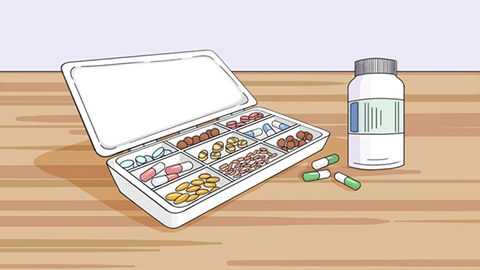
Treatment for papular urticaria primarily includes topical therapy, systemic therapy, and anti-infective therapy. Beyond topical management, wet compresses with topical medications aim mainly to alleviate symptoms such as itching and swelling. Systemic treatment typically involves antihistamines, vitamins, and corticosteroids. Anti-infective therapy is reserved for patients exhibiting signs of concurrent infection.
From a preventive standpoint, avoiding mosquito bites is essential. Wearing long-sleeved clothing and minimizing time spent in mosquito-prone areas—such as under trees or on grassy surfaces—can significantly reduce risk. Wearing pants and socks further decreases the likelihood of insect bites and thus lowers the incidence of papular urticaria. Clinically, the condition commonly presents with erythematous papules, vesicles, and intense pruritus. The number of papules may vary widely and correlates directly with the number of insect bites.
Patients are advised to proactively adopt effective therapeutic measures and pay closer attention to dietary hygiene to avoid unnecessary complications. We hope this information proves helpful to you.


