


Why Is Urticaria More Severe at Night and Absent During the Day?

Human skin undergoes changes in response to weather and temperature, sometimes manifesting various abnormal symptoms. Skin disorders have long posed a significant challenge for people, among which urticaria (hives) is an extremely common condition. The incidence of urticaria is relatively high, and its impact should not be underestimated. So why does urticaria often worsen at night and subside during the day?
Why Does Urticaria Worsen at Night and Subside During the Day?
Urticaria may intensify at night and improve during the day due to factors such as allergen exposure, diurnal temperature fluctuations, or endocrine variations. For instance, if a patient is allergic to bedding, blankets, or dust mites harbored within these items, symptoms typically appear only during nighttime sleep—when direct contact occurs—and resolve during the day. Additionally, indoor sleeping environments at night tend to be warmer, leading to pronounced vasodilation and cutaneous hyperemia, thereby triggering nocturnal flare-ups that subside by day. Furthermore, adrenal cortical hormone (e.g., cortisol) secretion is higher during daytime hours and lower at night; this circadian variation in hormone levels contributes to symptom exacerbation at night and improvement during the day.

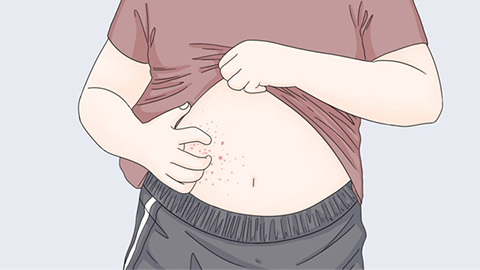
Urticaria is an allergic disorder classified into acute and chronic forms. Cases lasting less than six weeks are termed acute urticaria, whereas those persisting beyond six weeks are diagnosed as chronic urticaria. The primary clinical manifestations include wheals (raised, itchy, erythematous plaques) and/or erythematous macules.
In daily life, patients should maintain a positive mindset, actively cooperate with physicians for treatment, take prescribed medications consistently and as directed, and pay attention to routine skin care—thus facilitating prompt clinical improvement. We hope this information proves helpful.


