


What foods should be avoided if you have eczema?

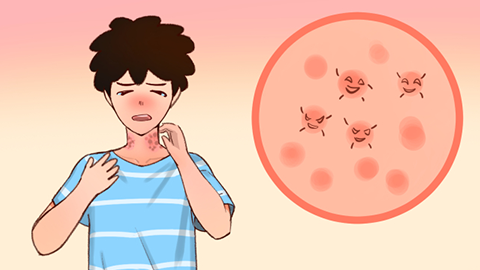
Today, numerous individuals develop skin disorders each year. Eczema—a common dermatological condition—has a notably high incidence rate. Upon diagnosis, patients must pay close attention to dietary adjustments, as proper nutrition plays a crucial role in accelerating recovery. So, which foods should be avoided by individuals with eczema?
Foods to Avoid with Eczema
Individuals with eczema should avoid spicy foods, seafood, condiments, and certain vegetables and fruits—such as fish, shrimp, onions, garlic, mushrooms, and mangoes. Eczema is a chronic inflammatory skin disorder often associated with allergic reactions. Spicy and irritating foods may promote local cutaneous capillary dilation, increase inflammatory exudation, intensify pruritus (itching), and exacerbate oozing and overall disease severity; therefore, they should be strictly limited or avoided altogether. Crab, rich in heterologous proteins, commonly triggers allergic responses that can worsen eczema symptoms and should likewise be avoided.

Patients should also minimize intake of condiments—including ginger—and limit consumption of beef and mutton. Certain vegetables and fruits—such as celery and leeks—should likewise be consumed sparingly. If any specific food appears to aggravate eczema symptoms, it should be avoided. Patients are advised to undergo allergen testing at a dermatology department in a hospital and strictly avoid foods yielding positive test results. However, indiscriminate or overly restrictive fasting should be avoided to prevent malnutrition. Instead, patients may consume fresh vegetables and fruits, maintain a positive emotional state, and cultivate confidence in overcoming the disease.
In daily life, patients should adhere to a disciplined diet—avoiding spicy and irritating foods, refraining from overeating or binge eating, and ensuring adequate sleep to prevent late-night activity. We hope this information proves helpful.


