


What Foods Should Be Avoided in Seborrheic Dermatitis?

Many people suffer from skin disorders in daily life, and there are numerous types of dermatological conditions. Some of these skin diseases tend to recur easily and can be challenging to treat. Seborrheic dermatitis is one such condition—primarily affecting the scalp—characterized by oily, shiny skin and significant scaling or flaking of the scalp. Many individuals may be unfamiliar with this condition; therefore, what foods should be avoided in seborrheic dermatitis?
Foods to Avoid in Seborrheic Dermatitis
Patients with seborrheic dermatitis should avoid spicy and greasy foods, seafood, and highly stimulating foods. In daily life, intake of high-fat foods—especially beef and mutton—should be reduced, as these may exacerbate the condition. It is advisable to avoid these foods altogether and instead opt for light, mild meals—such as fruits and vegetables—which can help alleviate symptoms. If symptoms worsen, patients should increase their intake of plain boiled water and actively pursue appropriate medical treatment.
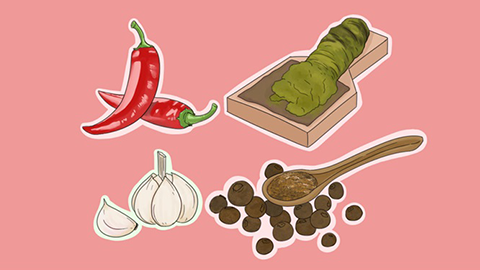
Foods to avoid in seborrheic dermatitis include: • Spicy foods—such as alcohol (e.g., wine), chili peppers, raw onions, ginger, and garlic; • Oily or fried foods—including “honey-sliced pastries” (a traditional Chinese pastry), deep-fried dough sticks (youtiao), fatty meats, and hotpot with rich broths; • Excessively sweet foods—such as candies and chocolate. All the above foods can stimulate increased sebaceous gland secretion, thereby aggravating skin inflammation and pruritus (itching). Therefore, they should be strictly avoided during active disease flares. Even after the condition has been controlled with medication, consumption of these foods should still be minimized in daily life to prevent recurrence.

Patients are advised to maintain healthy lifestyle habits—such as quitting smoking and alcohol, going to bed early, and rising early—to support both physical and mental well-being. We hope this information proves helpful to you.


