


Can periarthritis of the shoulder be treated with cupping therapy?
Aug 24, 2022
Source: Cainiu Health

Dr. Lin Yunfei
Introduction
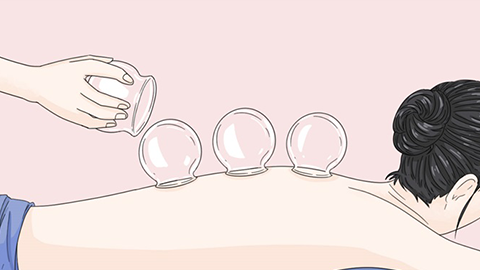
Periarthritis of the shoulder can be treated with cupping therapy. Cupping helps relax tendons and muscles, invigorate blood circulation, dispel cold, and relieve pain. It also accelerates local blood circulation around the shoulder and improves muscular tension in the surrounding area, thereby alleviating pain and functional impairment caused by periarthritis of the shoulder. Periarthritis of the shoulder is an aseptic inflammation affecting the tissues surrounding the glenohumeral joint, primarily manifesting as shoulder joint pain and restricted range of motion.
As people age—or sometimes due to sudden inattention—the shoulder may become injured. Some individuals develop periarthritis of the shoulder (also known as “frozen shoulder”), a painful condition characterized by significant shoulder pain and restricted range of motion. Therefore, proactive prevention and management of periarthritis of the shoulder are essential in daily life, along with proper shoulder protection. When necessary, medical evaluation and treatment at a hospital should be sought. So, can cupping therapy be used to treat periarthritis of the shoulder?
Can Cupping Therapy Treat Periarthritis of the Shoulder?
Yes, cupping therapy can be used to treat periarthritis of the shoulder. Cupping helps relax tendons and muscles, promote blood circulation, dispel cold, and relieve pain. It also enhances local blood flow around the shoulder, improves muscular tension in the surrounding area, and alleviates pain and mobility limitations caused by periarthritis. Periarthritis of the shoulder is a sterile inflammatory condition affecting the soft tissues surrounding the glenohumeral joint, primarily manifesting as shoulder pain and functional impairment. While cupping can effectively ease associated discomfort, additional interventions may be required depending on symptom severity—including anti-inflammatory and analgesic medications, as well as physical therapies such as acupuncture and massage.
In daily life, patients with periarthritis of the shoulder are encouraged to consume calcium-rich foods—such as milk, yogurt, pork rib soup, or chicken soup—as well as foods that tonify Qi and nourish blood, or warm the meridians and dispel cold—such as beef, lamb, walnuts, and Chinese chives. Additionally, foods that relax muscles and tendons, regulate the flow of Qi and blood, and unblock meridians—such as papaya, angelica root (Danggui), hawthorn, sesame seeds, and shrimp—are beneficial. Patients should avoid raw, cold, or refrigerated foods; refrain from cooking with woks over high heat; and limit intake of excessively greasy or hard-to-digest foods. Alcohol, coffee, and carbonated beverages should also be avoided whenever possible.
Upon onset of symptoms suggestive of periarthritis of the shoulder, prompt medical consultation is crucial to prevent disease progression. We hope this information has been helpful to you.


