


Can low blood pressure cause dizziness?
Aug 24, 2022
Source: Cainiu Health

Dr. Li Man
Introduction
Hypotension can cause dizziness. As blood pressure decreases, cerebral perfusion pressure declines, leading to insufficient cerebral blood supply and resulting in dizziness. For hypotensive patients experiencing dizziness, it is essential to promptly restore blood pressure to an appropriate level to enhance cerebral perfusion and alleviate dizziness. Patients should seek medical attention without delay to identify the specific underlying cause of hypotension and receive targeted treatment accordingly.
With the accelerating pace of modern life and increasing psychological stress, many people develop blood pressure abnormalities—often due to unhealthy dietary habits or nutritional deficiencies. Therefore, it is essential to pay close attention to blood pressure in daily life, maintain a healthy diet, and ensure adequate nutritional support for the body. Some individuals develop hypotension (low blood pressure) from irregular meal schedules. So, does hypotension cause dizziness?
Does hypotension cause dizziness?
Yes, hypotension can cause dizziness. As blood pressure drops, cerebral perfusion pressure decreases, leading to insufficient blood supply to the brain and resulting in dizziness. For patients with hypotension who experience dizziness, it is crucial to promptly restore blood pressure to an appropriate level to enhance cerebral perfusion and alleviate dizziness. Immediate medical evaluation is necessary to identify the underlying cause of hypotension and implement targeted interventions. For instance, individuals with constitutional (idiopathic) hypotension should engage in regular physical exercise and increase their intake of essential nutrients to strengthen overall health and support blood pressure recovery. If hypotension stems from an underlying disease, prompt and effective treatment of that specific condition is required to improve the hypotensive state.
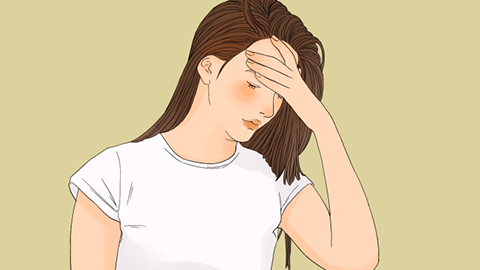
Orthostatic hypotension—also known as postural hypotension—commonly occurs upon transitioning from lying down to standing, after sudden squatting, or during prolonged standing. It may trigger transient cerebral ischemic symptoms such as dizziness or lightheadedness. To prevent and manage orthostatic hypotension, avoid picky eating; consume a balanced diet rich in both meat and vegetables; and ensure adequate intake of protein, iron, folate, and vitamin B12. Additionally, orthostatic hypotension may be caused by various medical conditions or medications—including spinal cord disorders, endocrine dysfunction, chronic malnutrition, or inappropriate or excessive use of antihypertensive drugs.

Patients experiencing symptoms of hypotension should seek timely medical care to prevent disease progression. We hope this information proves helpful to you.


