What is the best method for eliminating renal cysts?
Sep 13, 2022
Source: Cainiu Health

Dr. Zhao Xinju
Introduction
Renal cysts that are asymptomatic, especially when small, do not require special treatment or intervention. Cysts smaller than 4 cm clinically only need regular follow-up examinations. However, larger cysts—such as those measuring 5–6 cm or even over 10 cm—that cause obvious compressive symptoms, such as lower back pain or discomfort due to pressure, may require attention.
Every organ in the body has the potential to develop cysts, and when cysts form, they can cause significant pain for patients. What is the best way to treat kidney cysts?
What is the best method for treating kidney cysts?
When kidney cysts are asymptomatic, especially when they are small—typically less than 4 cm in diameter—they usually do not require special treatment or intervention. In such cases, regular follow-up examinations are sufficient. However, for larger cysts—such as those measuring 5–6 cm or even over 10 cm—that cause obvious compressive symptoms like lower back soreness, discomfort, or a feeling of fullness, treatment may be necessary.
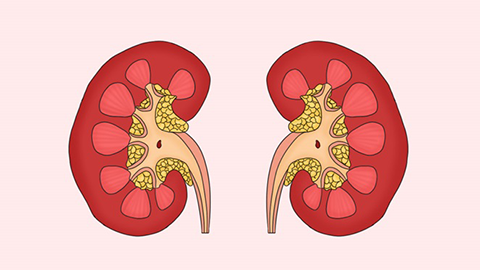
There are various clinical approaches to managing kidney cysts: The simplest method is percutaneous aspiration (fluid drainage via needle puncture). Surgical options, such as cyst decompression surgery, are also commonly used. In the past, clinicians rarely used sclerotherapy with anhydrous alcohol after fluid aspiration due to its relatively high risk of side effects and inconsistent effectiveness. Therefore, current practice involves monitoring certain patients with kidney cysts who do not require immediate intervention, while offering laparoscopic decompression surgery for those who do—achieving favorable therapeutic outcomes.
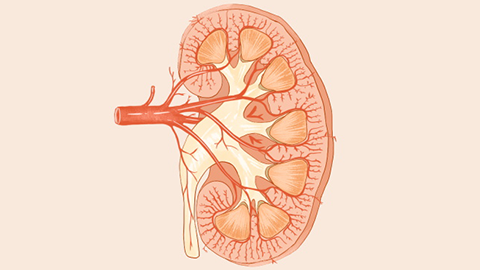
Kidney cysts are classified into simple cysts and multiple or complex renal cysts. Clinically, simple cysts—solitary, isolated cysts and cystic lesions—are the most common type, having the highest incidence rate. Some patients may experience symptoms such as backache or flank pain. We hope this information helps you. Wishing you good health and happiness!