What are the side effects of mugwort leaf?
Sep 13, 2022
Source: Cainiu Health

Dr. He Haochen
Introduction
Mugwort leaf (Ai Ye) is a relatively common traditional Chinese medicine. It has the side effect of inhibiting the human nervous system, which may lead to physical weakness. Secondly, the odor of mugwort leaf is quite pungent; prolonged foot soaking with it may cause insufficient blood supply to the brain, resulting in dizziness. Ingesting large amounts of mugwort leaf can also induce dizziness and acute gastrointestinal inflammation; therefore, private use is generally discouraged. Mugwort leaf is known for its effects of warming the meridians and dispelling cold, relieving pain, stopping bleeding, and promoting qi circulation and blood activation.
Mugwort leaf (Ai Ye) is a traditional Chinese medicine with many benefits, but it may not be suitable for everyone. What are the side effects of mugwort leaf?
What Are the Side Effects of Mugwort Leaf?
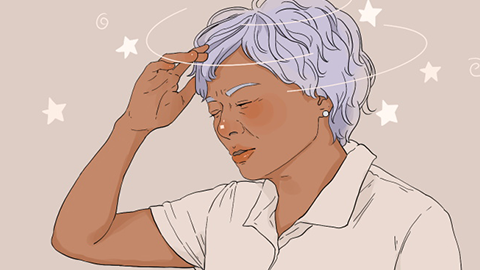
Mugwort leaf is a relatively common herbal medicine that may have side effects such as inhibiting the nervous system, potentially leading to physical weakness. Additionally, its odor is quite pungent; prolonged use in foot soaks may cause insufficient blood supply to the brain, resulting in dizziness. Excessive consumption of mugwort leaf can also lead to dizziness and acute gastrointestinal inflammation. Therefore, self-medication should generally be avoided.
Mugwort leaf is warm in nature and has effects of warming the meridians, dispelling cold, relieving pain, stopping bleeding, and promoting qi circulation and blood activation. It is particularly suitable for treating cold-related illnesses. It can be used for lower abdominal cold pain, menstrual irregularities, infertility, and dysmenorrhea caused by cold uterus. It is also indicated for conditions such as hematemesis, stomachache, chest pain, and bloody pus due to invasion of cold pathogens. Mugwort leaf decoction can help relieve skin itching, while moxibustion with mugwort can treat various diseases caused by cold-dampness and yang deficiency.
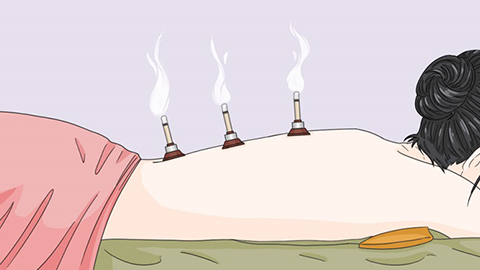
Mugwort leaf is a traditional Chinese herb commonly used for menstrual disorders such as menstrual pain, irregular menstruation, and metrorrhagia, as well as for stabilizing pregnancy. It can also be used for stomachaches and diarrhea caused by wind-cold感冒. However, the dosage should not be too high. This herb can also be crushed into a paste and is widely used in clinical practice and health care as a material for moxibustion. If symptoms are severe, prompt medical treatment at a hospital is recommended. We hope this answer has been helpful to you. Wishing you good health and happiness!