


What causes a dry cough without phlegm at night?

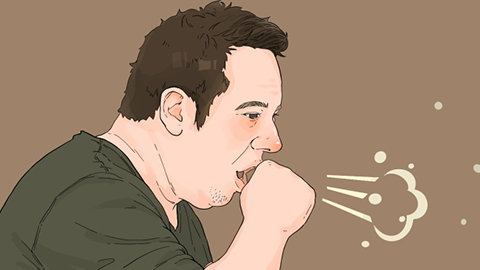
Coughing without spitting phlegm on the ground is known as a dry cough. This is what people commonly refer to as a dry cough. The causes are numerous and complex, and cannot be easily resolved by taking medication arbitrarily. So, what causes a dry cough with no phlegm at night?
What Causes a Dry Cough with No Phlegm at Night?
Dry cough, non-productive cough, and paroxysmal nighttime cough may commonly result from the following causes:
1. Cough-variant asthma often exhibits characteristic nocturnal or early-morning episodes. Patients frequently experience nighttime dry cough, non-productive cough, and paroxysmal coughing that may require sitting up for relief. Symptoms usually subside within 1–2 hours.
2. Acute exacerbation of chronic bronchitis or chronic obstructive pulmonary disease (COPD), which may present with nighttime paroxysmal coughing without sputum production, especially during initial flare-ups.
3. Chronic heart failure—such as that caused by chronic heart diseases including ischemic heart disease, coronary artery disease, or cardiomyopathy. When patients lie flat at night, increased venous return from the lower limbs and abdomen overloads the heart, leading to mild heart failure. This may manifest as dry cough without phlegm, or
4. Lung tumors or other chronic lung diseases, primarily lung cancer. If lung cancer is present, it may cause an irritative dry cough.

Daily attention should be paid to diet and lifestyle regularity. Avoid cold and raw foods, greasy and sweet foods, fishy seafood such as shrimp and crab, oranges, overly salty foods, peanuts, chocolate, and dietary supplements. Engage in moderate physical exercise gradually, avoiding sudden strenuous activity.
For severe cases, it is recommended to seek medical evaluation at a hospital, including chest CT scan, relevant pulmonary function tests, and cardiac examinations. Timely diagnosis and early treatment contribute to better health outcomes and prognosis. We hope this information helps you. Wishing you good health and happiness!


