


What to eat for low blood pressure
Sep 13, 2022
Source: Cainiu Health

Dr. Li Man
Introduction
For patients with low blood pressure, the first step is to determine the underlying cause. Low blood pressure can be classified as physiological or pathological; certain chronic wasting diseases and inadequate nutrition may lead to hypotension, which requires management based on the specific cause. In addition to dietary adjustments, patients with low blood pressure should also pay attention to changes in body posture. Pathological factors contributing to hypotension should be addressed under the guidance of a physician.
Low blood pressure is a relatively common condition. Although it is less harmful compared to high blood pressure, it can still affect people's daily lives and lead to the development of certain health issues. Therefore, attention should be paid to basic knowledge about low blood pressure, especially dietary禁忌 (note: "禁忌" means taboos or restrictions). So, what should one eat to help manage low blood pressure?
What Foods Are Good for Low Blood Pressure?
For patients with low blood pressure, the first step is to determine the underlying cause. Low blood pressure can be classified as either physiological or pathological. Certain chronic wasting diseases or inadequate food intake may lead to hypotension, which requires adjustments based on the specific cause. In addition to diet, patients should also pay attention to changes in body posture. Pathological factors contributing to low blood pressure should be addressed under a doctor’s guidance—for example, Addison’s disease can cause a slight drop in blood pressure while increasing blood potassium levels. For patients without specific medical causes, it is recommended to add moderate amounts of salt and nutrients to their diet. Patients suffering from wasting diseases often have reduced food intake, so they should be encouraged to increase consumption whenever possible.

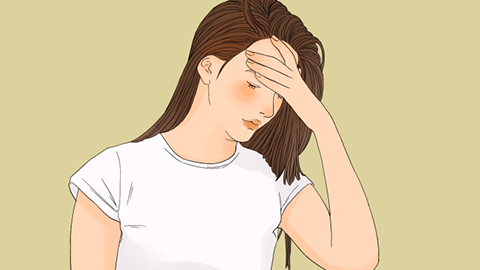
The main symptoms of low blood pressure include dizziness, headache, chest tightness, shortness of breath, and easy fatigue. It may sometimes cause insomnia, affect gastrointestinal function, reduce appetite, and lead to cold limbs. In some cases, dizziness may even result in falls. Therefore, treatment must first target the root cause. Under medical supervision, medications or hormones may be used to enhance sympathetic nervous system activity. Regarding diet, nutritional intake should be increased, with emphasis on warm-natured foods that strengthen the spleen and stomach. Moderate increase in salt intake is beneficial—consuming more salt can help raise blood pressure. Drinking adequate water, increasing physical activity, and improving overall fitness can also help boost blood volume. Eating more jujubes (red dates), peanuts, goji berries, or donkey-hide gelatin (Ejiao) can nourish qi and blood, which also helps improve low blood pressure.
Patients are advised to maintain healthy lifestyle habits, follow a light diet, avoid spicy and irritating foods, and ensure sufficient sleep every day. We hope this information is helpful to you. Wishing you good health and a happy life.


