


Does elevated aspartate aminotransferase require treatment?
Oct 13, 2022
Source: Cainiu Health

Dr. Liu Zhengxin
Introduction
Aspartate aminotransferase, also known as glutamic-oxaloacetic transaminase, is one of the indicators used in liver function tests. Whether elevated aspartate aminotransferase levels require treatment depends on whether the increase is caused by an underlying disease. Elevations due to physiological factors generally do not require specific treatment, whereas increases caused by pathological conditions need timely intervention with appropriate therapeutic measures.
Elevated aspartate aminotransferase (AST) levels, if caused by physiological factors and without accompanying discomfort symptoms, usually do not require treatment. However, if the elevation is due to an underlying disease and symptoms are present, treatment is generally necessary.
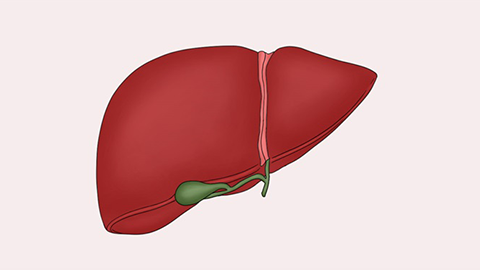
During pregnancy, a small number of women may experience varying degrees of hormonal imbalances, which could impair liver function and lead to elevated AST levels. Additionally, since most medications are metabolized and absorbed through the liver, certain drugs may damage liver cells. Long-term use of such medications can also result in increased AST levels. Intense physical exercise causing acute soft tissue injury may significantly elevate AST as well. These conditions typically do not require specific medical treatment, but attention to daily self-care—such as maintaining a light diet and getting adequate rest—is helpful for recovery.
Elevated aspartate aminotransferase levels generally indicate liver cell damage and may be caused by diseases, particularly liver disorders such as alcoholic liver disease, fatty liver disease, or cirrhosis. Abdominal ultrasound at a hospital can assist in diagnosis. Viral hepatitis requires targeted antiviral therapy, while cirrhosis may need treatments such as ascites drainage. Furthermore, elevated AST could also signal acute myocardial infarction, necessitating myocardial enzyme tests and electrocardiogram (ECG) for diagnosis. Timely treatment is essential in these cases to prevent worsening of the condition.
In daily life, it is advisable to eat a light diet and avoid spicy or irritating foods such as garlic, hot pot, wasabi, etc. Adequate rest should be maintained, and excessive fatigue should be avoided to protect overall health.






