


What should I do if aspartate aminotransferase is low?
Oct 18, 2022
Source: Cainiu Health

Dr. Yang Ziqi
Introduction
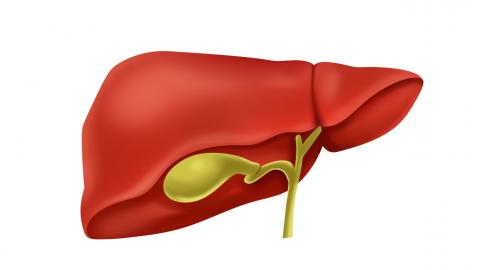
Aspartate aminotransferase (AST) is an indicator of liver function and reflects the extent of hepatocyte necrosis. A slightly low level generally has no clinical significance and may result from non-disease factors such as staying up late or alcohol consumption, or from medical conditions such as viral hepatitis B or liver cancer. Treatment options—including general management, medication, or surgical intervention—are chosen based on the underlying cause.
Low aspartate aminotransferase (AST) levels generally do not have significant clinical implications and may result from prolonged intense exercise, malnutrition, pregnancy, recovery phase of chronic hepatitis, myasthenia gravis, among other causes. Improvements can be achieved through daily lifestyle adjustments or medical treatments. It is recommended to seek timely medical evaluation and treatment under the guidance of a physician.
1. Prolonged intense exercise: During excessive physical activity, the body's energy metabolism primarily relies on anaerobic pathways, which may alter metabolic processes and potentially affect the distribution or metabolism of AST, leading to relatively lower levels. It is advisable to adjust exercise intensity and duration appropriately, avoid overexertion, and allow sufficient rest time for the body.
2. Malnutrition: Inadequate intake of nutrients such as protein and vitamins in the diet may lead to insufficient raw materials for the liver to synthesize aspartate aminotransferase, resulting in reduced levels. It is recommended to improve dietary habits by increasing consumption of high-quality protein sources such as lean meat, fish, eggs, and legumes, along with fresh vegetables and fruits rich in vitamins, to ensure balanced nutrition.
3. Pregnancy: During pregnancy, women undergo various physiological changes, including hormonal fluctuations, which may mildly affect liver metabolism and lead to slightly decreased AST levels. This is usually a normal physiological phenomenon that does not require special intervention. Pregnant women should focus on adequate rest, maintain sufficient nutritional intake, and attend regular prenatal checkups.
4. Recovery phase of chronic hepatitis: As chronic hepatitis comes under control and the liver gradually recovers, damaged hepatocytes are repaired, reducing the release of AST, which may lead to lower-than-normal levels. It is recommended to follow a physician’s guidance in using medications such as reduced glutathione for injection, lamivudine tablets, and Anluo Huaxian pills to alleviate symptoms.
5. Myasthenia gravis: This is an acquired autoimmune disorder characterized by impaired neuromuscular transmission, which may affect normal muscle function—including respiratory and swallowing muscles—and potentially impact liver function, leading to decreased AST levels. It is recommended to take medications such as pyridostigmine bromide tablets, prednisone acetate tablets, and azathioprine tablets as prescribed to manage symptoms.
In daily life, it is important to develop healthy habits, ensure adequate sleep, avoid staying up late, and maintain a positive mood, avoiding negative emotions such as anxiety and irritability, all of which contribute to overall health.




