


What causes brown discharge after menstruation?

"Menstruation" is a special period that all women experience, serving as a "barometer" of physical health. Menstrual issues are a frequent topic among women. Indeed, there's much to understand about menstruation—it’s one of the most telling indicators of overall health. Many women wonder whether it's normal to secretly discharge brownish secretions before or after their period, or if it signals an illness. So, what exactly causes brown discharge after menstruation?
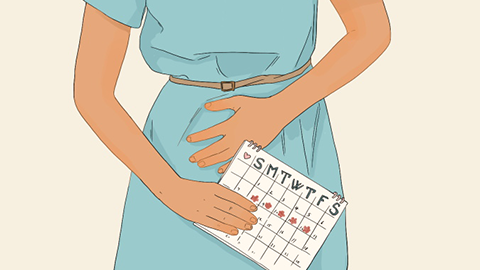
What Causes Brown Discharge After Menstruation?
1. Normal physiological discharge: Coffee-colored vaginal discharge after menstruation typically occurs within seven days following the end of a period. It may involve slight bleeding between two regular menstrual cycles and can sometimes be accompanied by mild abdominal pain of varying intensity.
2. Accumulated menstrual blood: Some women experience retained menstrual blood, which leads to continued brownish discharge for a period after menstruation ends. This discharge is actually a mixture of leftover menstrual blood and normal vaginal discharge, occasionally containing visible blood streaks. It results from poor expulsion of menstrual blood, causing it to accumulate in the uterus.
3. Gynecological diseases: If brown discharge after menstruation is accompanied by an unusual odor or other symptoms, it could be due to gynecological inflammation. Conditions such as uterine fibroids, endometritis, cervicitis, and vaginitis may all lead to brown discharge. In such cases, it's best to visit a hospital promptly for a gynecological examination.
4. Other causes: Luteal phase deficiency or the use of intrauterine devices (IUDs) can also cause brown discharge after menstruation. Mild cases may not require treatment, but if heavy bleeding occurs or long-term infertility is observed, a medical evaluation and appropriate treatment are recommended.
Regardless of the cause, Dr. Xu recommends that anyone experiencing abnormal changes in vaginal discharge—such as changes in color or odor, or symptoms like itching or pain—should seek evaluation at a正规 hospital to determine the underlying cause.


