


What to do if stung by a caterpillar
Dec 29, 2022
Source: Cainiu Health

Dr. Huang Lingjuan
Introduction
Once stung by a caterpillar, promptly remove the toxic hairs and clean the wound with an alkaline solution such as soap. Alternatively, alcohol or iodophor can be used to repeatedly wipe the affected area; this helps remove residual toxic hairs and also prevents bacterial infection. After cleaning, apply topical treatments such as Huapu laundry detergent (Xiehe brand) or corticosteroid ointments, for example triamcinolone acetonide ointment. If itching is severe, oral antihistamines may be taken for relief.
Caterpillar dermatitis is common during the summer and autumn seasons. So, what should you do if stung by a caterpillar?
What to do if stung by a caterpillar
Once stung by a caterpillar, remove the toxic hairs as soon as possible and clean the affected area with soap or other alkaline solutions. You may also use alcohol or iodophor to repeatedly wipe the site—this helps remove residual toxic hairs and prevent bacterial infection. After cleaning, apply topical medications such as Xiehe laundry detergent (a traditional remedy) or corticosteroid ointments like triamcinolone acetonide ointment. If itching is severe, oral antihistamines such as cyproheptadine, promethazine, or loratadine can be taken. For more severe cases, topical application of glucocorticoid creams—such as hydrocortisone butyrate cream—may be used, along with oral antihistamines like loratadine or ebastine. If the rash is widespread and accompanied by intense itching or pain, seek medical attention promptly.
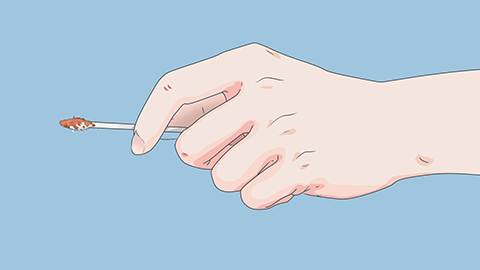
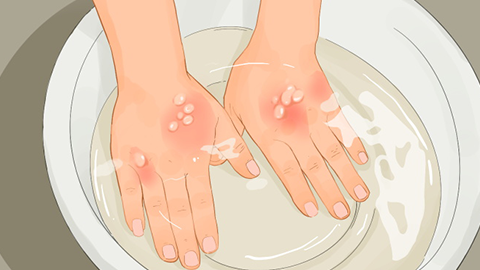
To prevent caterpillar dermatitis, avoid standing under trees during peak caterpillar breeding seasons. If a caterpillar comes into contact with your skin, do not slap or crush it violently; instead, gently brush it off using a small stick or leaf. Caterpillar-induced dermatitis frequently occurs in summer and autumn. When caterpillars sting, their secretions irritate the skin, causing redness, swelling, and small papules or tiny blisters at the center of the lesion, often leaving visible bite marks. Affected individuals typically experience itching and pain, which may worsen if scratched.
We hope this article has been helpful to you. Wishing you a pleasant life and good health.




