What is a black mole?
Dec 29, 2022
Source: Cainiu Health

Dr. Liu Wan
Introduction
What is a mole: The medical term for a mole is melanocytic nevus, which forms when melanocytes cluster together. These mole cells contain melanin. Moles are present on everyone's body and are benign melanocytic tumors, classified into junctional nevi, compound nevi, and intradermal nevi. Some moles can transform into malignant melanoma, although the risk of such malignant transformation is low. Moles are associated with genetics, sun exposure, skin irritation, trauma, and other factors.
We may notice black spots appearing on our bodies to varying degrees—some protrude from the skin surface and are darker in color, while others are brown and do not rise above the skin. In fact, these are known as moles. But what exactly are moles? Let's take a closer look.
What Are Moles?
The medical term for moles is melanocytic nevi, which form when melanocytes (pigment-producing cells) cluster together. These mole cells contain melanin. Everyone has moles; they are considered benign melanocyte tumors. Depending on the location of the mole cells, moles can be classified into junctional nevi, compound nevi, and intradermal nevi. Some melanocytic nevi may potentially transform into malignant melanoma, so it’s important to closely monitor any changes in a mole's size.
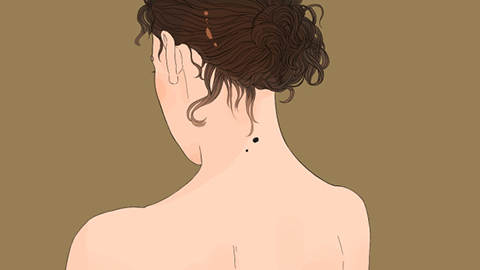
If a mole gradually increases in size or its color becomes significantly darker, there should be concern about the possibility of malignant melanoma. It is best to seek timely medical evaluation with a pathological biopsy. The number and size of moles vary among individuals and are influenced by genetics. Moles can appear anywhere on the body, including the scalp, trunk, and limbs. Acquired moles later in life are often associated with sun exposure, skin irritation, or trauma. As people age, the number of moles tends to increase, typically appearing as dark brown or black spots, though a small number may be colorless (known as non-pigmented nevi). The risk of mole malignancy is extremely low. Generally, moles require no treatment and do not affect health. However, large moles or those located in areas subject to frequent friction are recommended for surgical removal.
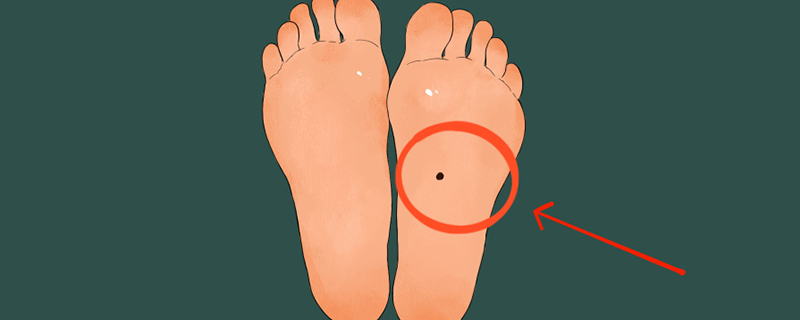
The above explains what moles are. Moles are common and considered a developmental anomaly, usually requiring no special treatment. We hope this information is helpful to you. Wishing you good health and a happy life.