


Why does drinking beer cause gout?

Many people in our daily lives suffer from gout, which affects their everyday living. Friends with gout must follow dietary restrictions and often experience physical discomfort and limitations. So why does drinking beer cause gout?
Why does drinking beer cause gout?
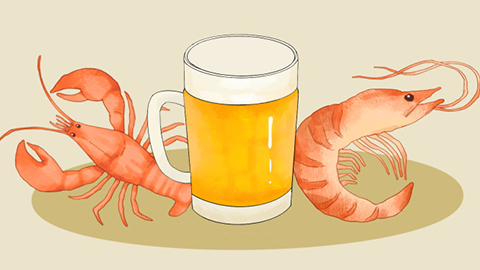
The diet recommended for gout is known as a low-purine diet. Beer is a beverage high in purines. We Chinese also have a common habit—drinking beer with meals. You might remember, "I have gout, I need to restrain myself," avoiding high-purine foods such as animal organs and seafood. However, many still drink three bottles of beer first, then proceed to eat dishes alongside more alcohol. After enjoying the food and drinks, when a gout attack occurs, they suddenly recall they have gout and that they shouldn't drink or consume high-purine foods. But by then it's too late. Beer itself is high in purines, and secondly, people tend to eat additional food after drinking beer. These two factors together clearly explain why beer should be avoided.
People with gout should not drink alcohol—no beer, no spirits. Even excessive consumption of wine can raise uric acid levels. Therefore, if you choose to drink wine, limit intake to no more than 200ml per day. Red meats, such as beef and lamb, are particularly high in purines and should be avoided. Shellfish contain extremely high levels of purines and must not be consumed. However, sea cucumber and jellyfish have relatively low purine content and may be eaten in moderation. For gout patients who enjoy meat, these dietary restrictions can be challenging.
Gout patients should pay close attention to their diet in daily life to avoid worsening symptoms and disruptions to normal activities. If any abnormalities occur, seek medical examination and treatment promptly. We hope this answer has been helpful to you. Wishing you good health and a happy life!


