


Why are some muscles hard and others soft?
Jan 03, 2023
Source: Cainiu Health

Dr. Chen Jian
Introduction
Muscle hardness and softness may be caused by differences in exercise levels, variations in water intake, imbalanced nutrition, fasciitis, myasthenia gravis, or other conditions, and can be improved according to the specific cause. It is recommended to promptly visit a hospital for diagnosis and receive treatment under a doctor's guidance. Develop a comprehensive exercise plan and perform targeted training for weaker muscles.
Muscle firmness and softness may vary due to differences in exercise levels, water intake, unbalanced nutrition, fasciitis, myasthenia gravis, and other factors. Improvements can be made according to the specific cause. It is recommended to seek timely medical attention and receive treatment under a doctor's guidance.
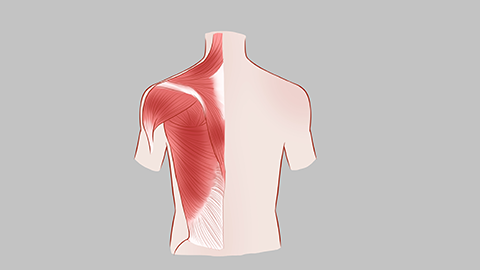
1. Different exercise levels: Muscles that are regularly exercised become more developed and firm due to repeated contraction and relaxation, resulting in thickened muscle fibers and a harder texture upon touch; conversely, muscles lacking exercise tend to be looser and softer. A comprehensive exercise plan should be developed, with targeted training—such as squats, push-ups, and pull-ups—for softer muscles to improve their firmness.
2. Differences in water intake: When the body is well-hydrated, muscle cells contain more water, making muscles appear fuller and more elastic, thus feeling firmer. Insufficient water intake may lead to dehydration, causing muscles to become flat and feel softer. It is recommended to drink at least 1500–2000 ml of water daily, and sports drinks may also be consumed in moderation to replenish electrolytes and maintain muscular hydration balance.
3. Unbalanced nutrient intake: Inadequate protein intake deprives muscles of essential nutrients, impairing their development and leading to soft, flaccid muscles. A diet rich in high-quality protein is important, including foods such as chicken breast, beef, fish, shrimp, eggs, and legumes, along with vegetables and fruits rich in vitamins and minerals.
4. Fasciitis: Inflammation of the fascia caused by long-term strain or trauma can lead to muscle tension and stiffness in affected areas, while unaffected muscles remain relatively soft. Under medical supervision, patients may use medications such as ibuprofen sustained-release capsules, diclofenac sodium enteric-coated tablets, or eperisone hydrochloride tablets to relieve symptoms.
5. Myasthenia gravis: This is an autoimmune disorder characterized by impaired neuromuscular transmission, primarily manifesting as weakness and rapid fatigue in some or all skeletal muscles. Symptoms worsen after activity and improve with rest or cholinesterase inhibitor treatment, resulting in weak, soft muscles. Under a doctor’s guidance, patients may take medications such as pyridostigmine bromide tablets, prednisone acetate tablets, or azathioprine tablets to alleviate discomfort.
In daily life, it is important to develop healthy habits, ensure sufficient sleep, avoid staying up late, and maintain a positive mood, avoiding negative emotions such as anxiety and irritability, all of which contribute to overall health.







