What illness causes tightness and numbness on the top of the head?
May 13, 2023
Source: Cainiu Health
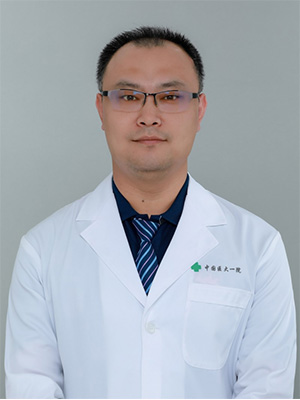
Dr. Guan Yanlei
Introduction
Tightness and numbness in the scalp may be caused by conditions such as autonomic nervous system dysfunction, cervical spondylosis, or hypertension. Prolonged mental stress and anxiety can lead to autonomic nervous system imbalance, resulting in hormonal disturbances that cause symptoms like insomnia, scalp tightness, and numbness. Timely adjustment of mental state and maintaining a healthy sleep schedule are generally necessary to help alleviate these symptoms.
A tight or numb sensation on the top of the head may be caused by conditions such as autonomic nervous system dysfunction, cervical spondylosis, hypertension, and others. Specific details are as follows:
1. Autonomic Nervous System Dysfunction
Long-term mental stress and anxiety can lead to dysfunction of the autonomic nervous system, causing hormonal imbalances and resulting in symptoms such as insomnia, tightness, and numbness of the scalp. Adjusting one's mindset promptly and maintaining a healthy sleep schedule generally helps alleviate these symptoms.
2. Cervical Spondylosis
Chronic strain or degenerative changes in the neck can lead to cervical spondylosis, causing abnormal bone growth that compresses nerves in the neck, resulting in symptoms such as scalp numbness and headaches. Treatment typically involves medications such as eperisone hydrochloride tablets or naproxen capsules, taken under a doctor's guidance.
3. Hypertension
When suffering from hypertension, poor blood circulation reduces blood flow to the scalp vessels, leading to insufficient blood supply to the scalp nerves and causing a tight or tense sensation. Blood pressure can usually be managed with medications such as metoprolol succinate extended-release tablets or captopril tablets, taken as directed by a physician.
In addition, conditions such as cerebral ischemia, cerebral infarction, and vascular headaches may also cause a tight sensation on the top of the head. It is recommended to seek medical attention at a hospital and receive treatment based on the specific underlying cause.