


What should I do if I ate too many persimmons at night?

Generally speaking, if you have eaten too many persimmons at night, you should observe your body's response, drink warm water, consume digestion-promoting foods, massage your abdomen, and apply heat to the abdominal area. If discomfort symptoms are significant, it is advisable to seek medical attention promptly. The specific recommendations are as follows:
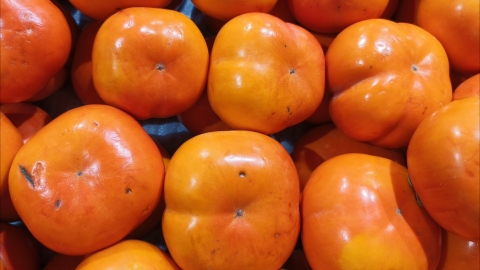
1. Monitor bodily reactions
Persimmons contain relatively high levels of tannins, pectin, and other components. If consumed in excess, these substances may form solid masses in the stomach under the influence of gastric acid, leading to gastrointestinal discomfort. Pay attention to whether you experience symptoms such as bloating, abdominal pain, nausea, or vomiting. If you only have mild bloating, light physical activity—such as slowly walking indoors—can help stimulate gastrointestinal motility and aid digestion.
2. Drink warm water
Drinking warm water helps dilute stomach contents. After overeating persimmons, the concentration of tannins and other substances in the stomach increases; warm water can reduce this concentration and lessen irritation to the gastric mucosa. Meanwhile, once absorbed into the intestines, water increases the volume of intestinal contents, promoting peristalsis and thereby aiding digestion and elimination of persimmon residues.
3. Eat digestion-promoting foods
Foods such as hawthorn products are excellent for aiding digestion. Hawthorn contains organic acids like hawthorn acid, which can stimulate the gastric mucosa to secrete gastric juice. The hydrochloric acid and pepsin in gastric juice help break down components of persimmons and enhance the stomach’s digestive capacity. Additionally, yogurt also has a certain digestive benefit. The lactic acid bacteria in yogurt help regulate intestinal flora, improve the gut's microenvironment, and promote digestion and absorption of food.
4. Abdominal massage
Using the navel as the center, gently massage your abdomen in a clockwise direction with your palm. This motion aligns with the natural direction of intestinal peristalsis and helps stimulate gastrointestinal movement. Apply moderate pressure—too light may be ineffective, while too much pressure could cause discomfort. Regular massage helps move persimmons and their digestion byproducts through the digestive tract more efficiently, accelerating digestion and relieving symptoms like bloating.
5. Apply heat
When experiencing gastrointestinal spasms or mild abdominal pain, applying heat is an effective way to relieve discomfort. Heat application dilates blood vessels in the abdomen, improves blood circulation, and alleviates intestinal spasms. It transfers warmth deep into the abdominal tissues, relaxing tense gastrointestinal muscles and reducing pain. A hot water bottle or warm towel can be used for this purpose, ensuring that the water temperature is not excessively high to avoid skin burns.
To avoid further burdening the gastrointestinal system, refrain from consuming greasy, spicy, or irritating foods—such as fried items or chili peppers—for a period after eating too many persimmons. Instead, opt for light, easily digestible foods such as millet porridge or noodles.


