


What are the harms of eating dried prunes (wu mei) long-term?

Generally speaking, long-term consumption of smoked plum (wu mei) may lead to several health issues, including indigestion, excessive gastric acid secretion, gastrointestinal adverse reactions, tooth erosion, and elevated blood sugar levels. The details are as follows:
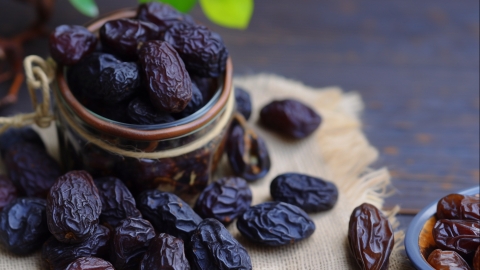
1. Indigestion
Smoked plums are made from Chinese plums (Prunus mume) through processes such as cleaning and drying. They require a certain amount of time to digest after consumption. Long-term or excessive intake may increase the burden on the gastrointestinal tract, leading to indigestion and symptoms such as belching, loss of appetite, and bloating.
2. Excessive Gastric Acid Secretion
Chinese plums are acidic in nature and can easily irritate the stomach lining, thereby stimulating excessive secretion of gastric acid. This overproduction of acid may not only cause gastrointestinal discomfort—such as heartburn, difficulty swallowing, burping, and belching—but may also be accompanied by varying degrees of abdominal bloating.
3. Gastrointestinal Adverse Reactions
Long-term consumption of smoked plums can continuously irritate the gastrointestinal mucosa, potentially causing adverse reactions such as nausea, vomiting, diarrhea, and abdominal pain.
4. Tooth Erosion
Due to their high content of acidic substances and sour taste, frequent or prolonged consumption of smoked plums may erode tooth enamel and compromise dental health.
5. Elevated Blood Sugar Levels
Smoked plums contain relatively high amounts of sugar. Regular consumption may lead to increased blood glucose levels, which is unfavorable for maintaining stable blood sugar control.
In addition to the above five concerns, long-term intake of smoked plums may also contribute to nutritional imbalances and weight gain. It is therefore recommended to consume them in moderation. Maintaining a balanced diet with foods such as apples, bananas, cabbage, and tomatoes can support overall health.


