


What are the symptoms of mycoplasma pneumonia?
Oct 20, 2023
Source: Cainiu Health

Dr. Ren Yi
Introduction
Mycoplasma pneumonia is a type of pneumonia caused by Mycoplasma infection. Common symptoms of mycoplasma pneumonia include cough, fatigue, chest pain, and difficulty breathing. If mycoplasma pneumonia occurs, patients may take medications such as azithromycin tablets, roxithromycin capsules, or clarithromycin capsules as directed by a physician. At the same time, adequate rest should be ensured and strenuous physical activity should be avoided.
Mycoplasma pneumonia is a type of pneumonia caused by Mycoplasma infection. Common symptoms of mycoplasma pneumonia include cough, fatigue, chest pain, and difficulty breathing. The details are as follows:
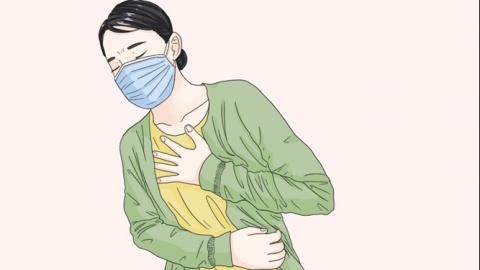
1. Cough: A common symptom of mycoplasma pneumonia, often presenting as paroxysmal dry cough that worsens at night, with little or no sputum. Some patients may produce purulent sputum and experience severe, persistent dry cough, frequently accompanied by episodic, irritative coughing fits.
2. Fever: Mycoplasma pneumonia is usually accompanied by fever. Body temperature may rise slightly, generally below 39°C, or reach moderate levels between 38°C and 39°C. The fever can persist for a prolonged period—sometimes up to 2–3 weeks—and tends to recur easily.
3. Fatigue: After Mycoplasma invades the body, it triggers an immune response that consumes energy, leading to feelings of weakness, generalized lack of strength, and poor mental state. Symptoms may not improve even after rest. Patients may need to breathe with mouth open and shoulders raised, or may feel slightly more comfortable while sitting upright.
4. Chest pain: Mycoplasma pneumonia may cause chest pain, typically described as stabbing or dull aching, with severity varying among individuals. The pain may worsen with breathing or coughing, as these actions further stretch and irritate the pleura.
5. Shortness of breath: Mycoplasma infection causes pulmonary tissue congestion, impairing blood circulation in the lungs and resulting in ischemia and hypoxia. This leads to symptoms such as shortness of breath, rapid breathing, wheezing, and chest tightness. Some patients may experience dyspnea or breathlessness, especially during physical activity or exertion.
If mycoplasma pneumonia is diagnosed, patients may take medications such as azithromycin tablets, roxithromycin capsules, or clarithromycin capsules as directed by a physician. Adequate rest and avoidance of strenuous exercise are also recommended to support recovery.


