


What foods should not be eaten with shrimp?

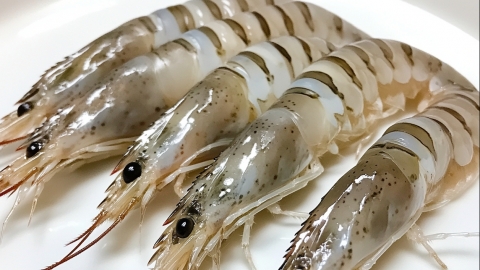
Shrimp is a nutritious food, but it should not be consumed together with lemon, persimmon, eggs, spinach, or pumpkin, as this may cause discomfort. The detailed analysis is as follows:
1. Lemon: Lemons are rich in vitamin C. When the pentavalent arsenic compounds in shrimp interact with vitamin C, they may be converted into toxic trivalent arsenic. Long-term or excessive consumption of this combination may lead to poisoning symptoms such as abdominal pain, diarrhea, and vomiting.
2. Persimmon: Persimmons contain abundant tannins. The proteins and calcium in shrimp can bind with tannins to form indigestible precipitates such as calcium tannate, which may impair digestion and nutrient absorption and potentially cause gastrointestinal discomfort.
3. Eggs: Eggs are high-protein foods, and shrimp are also high in protein. Consuming two high-protein foods together may increase the burden on the gastrointestinal tract. In particular, individuals with poor kidney function may experience increased strain on their kidneys.
4. Spinach: Spinach contains a relatively high amount of oxalic acid, which can easily combine with calcium in shrimp shells to form calcium oxalate precipitate, thereby reducing the body's ability to absorb calcium.
5. Pumpkin: Pumpkin is considered cooling in nature and has effects of clearing heat and resolving phlegm. When consumed with shrimp, it may impair health, especially causing gastrointestinal discomfort or diarrhea.
It is also not advisable to drink tea immediately after eating shrimp, because the tannins in tea may react with calcium in shrimp to form insoluble calcium complexes that are difficult to digest. When consuming shrimp, attention should be paid to potential food interactions to avoid bodily discomfort.


