


What causes pain at the top of the head?
Feb 08, 2021
Source: Cainiu Health
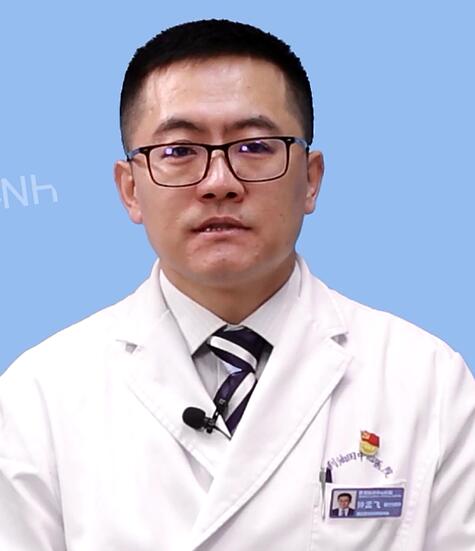
Dr. Zhong Mengfei
Introduction
What Causes Pain at the Top of the Head?
1. **Neurogenic headache**: Spasmodic headaches triggered by excessive life stress or chronic mental tension.
2. **Cervical spondylosis**: Cervical spine disorders can sometimes cause headaches.
3. **Head trauma**, particularly impact to the brain.
4. **Cardiovascular or cerebrovascular diseases**: These may include hypertension, encephalitis, or meningitis.
The head is our most vital body region—many essential functions are coordinated and regulated by the brain, enabling us to live and work normally. However, if you begin experiencing pain on the top of your scalp, it is crucial to pay close attention to your overall health. So, what causes pain on the top of the head? Below, we provide answers to this question.

What Causes Pain on the Top of the Head?
1. Tension-Type Headache (Neurogenic Headache)
Tension-type headache is relatively common and often results from excessive life stress or prolonged mental tension, leading to spasmodic headaches. In most cases, treatment may involve oral analgesics or therapeutic massage. More importantly, however, psychological resilience must be strengthened—avoid placing undue pressure on yourself, consciously relax your mind, improve sleep quality, engage in regular physical activity, and maintain a positive mood.
2. Cervical Spondylosis
Cervical spondylosis can sometimes cause headaches. If you suspect cervical spondylosis, consult a physician for evaluation—including radiographic imaging—to assess the condition of your cervical spine. In addition to prescribed medications, daily lifestyle modifications are essential: perform regular cervical exercises, avoid prolonged forward-head postures (e.g., excessive smartphone or computer use), and prioritize neck and head health through relaxation techniques and mindful posture habits.

3. Head Trauma
Accidents occur frequently in daily life—especially among individuals engaged in occupations with higher physical risk. Minor bumps or impacts to the head during work may appear superficially harmless, yet delayed onset of headache may signal underlying injury. Should such symptoms arise, seek prompt medical evaluation to assess potential brain injury and initiate timely diagnosis and treatment.
4. Cardiovascular or Cerebrovascular Disorders
Head pain localized to the vertex may stem from hypertension, which commonly manifests as top-of-the-head discomfort accompanied by nausea and vomiting; blood pressure monitoring is therefore essential. Alternatively, organic neurological conditions—including encephalitis, meningitis, or intracranial tumors—may present similarly. Further diagnostic evaluation is warranted, including cranial MRI; electroencephalography (EEG) and cerebrospinal fluid (CSF) analysis may also be indicated to establish an accurate etiological diagnosis.

The above outlines the primary causes of vertex headache. We hope this information proves helpful to you.



