


What causes elevated total bilirubin, and what are the associated risks?
Feb 23, 2021
Source: Cainiu Health

Dr. Gao Jun
Introduction
Elevated total bilirubin levels may result from physiological neonatal jaundice, intense physical exercise, excessive alcohol consumption, hepatitis, gallstones, or other conditions; management should be tailored according to the underlying cause. Potential adverse effects of elevated total bilirubin include jaundice, hepatic dysfunction, gastrointestinal disturbances, renal impairment, and increased cardiovascular burden. It is recommended to seek prompt medical evaluation at a hospital and undergo treatment under the guidance of a physician.
Elevated total bilirubin levels may result from neonatal physiological jaundice, intense physical exercise, excessive alcohol consumption, hepatitis, gallstones, or other conditions—and management strategies vary depending on the underlying cause. Elevated total bilirubin can lead to complications including jaundice, hepatic dysfunction, gastrointestinal disturbances, renal impairment, and increased cardiovascular burden. Prompt medical consultation is recommended, and treatment should be undertaken under a physician’s guidance.
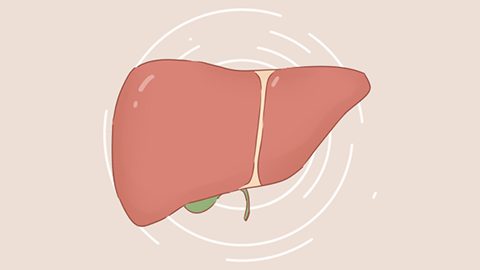
I. Causes
1. Neonatal Physiological Jaundice
Newborns have relatively higher red blood cell counts, and their immature livers exhibit low activity of bilirubin-metabolizing enzymes—leading to increased bilirubin production coupled with insufficient metabolic capacity, thereby elevating total bilirubin levels. Typically, physiological jaundice resolves spontaneously; mild sun exposure (under appropriate supervision) may aid resolution.
2. Intense Physical Exercise
Strenuous exercise accelerates metabolism and increases red blood cell breakdown, resulting in elevated hemoglobin release and subsequent overproduction of bilirubin. It is advisable to moderate exercise intensity and avoid excessive exertion. Adequate rest post-exercise allows sufficient time for bilirubin metabolism and clearance. Maintaining adequate hydration also supports metabolic processes.
3. Excessive Alcohol Consumption
Alcohol is primarily metabolized in the liver; heavy drinking overburdens hepatic function, impairing the liver’s ability to uptake, conjugate, and excrete bilirubin. Consequently, bilirubin metabolism declines, leading to elevated total bilirubin. Reducing or eliminating alcohol intake is recommended. Incorporating hepatoprotective foods—such as vitamin C–rich fruits—into the diet may also be beneficial.
4. Hepatitis
Hepatitis—caused by viral infection, drug-induced injury, or other factors—damages hepatocytes, compromising their capacity to uptake, convert, and excrete bilirubin. This results in elevated serum total bilirubin. Under medical supervision, medications such as compound glycyrrhizin tablets, silybin capsules, and bicyclol tablets may help alleviate symptoms.
5. Gallstones
Gallstones in the gallbladder or bile ducts can obstruct biliary flow, impeding bile excretion. Bilirubin then refluxes into the bloodstream, raising total bilirubin levels. Treatment may include ursodeoxycholic acid tablets, anti-inflammatory and choleretic tablets, or Daning tablets—as prescribed by a physician.
II. Potential Risks
1. Jaundice
Elevation of either direct (conjugated) or indirect (unconjugated) bilirubin causes yellow discoloration of the skin, sclerae, and mucous membranes. Severe jaundice may induce psychological distress, adversely affecting social interaction and quality of life.
2. Hepatic Dysfunction
Elevated total bilirubin often signals impaired liver function. Chronically elevated levels may indicate ongoing hepatic injury—as seen in hepatitis or cirrhosis. Persistently high bilirubin further burdens hepatic metabolism and exacerbates hepatocellular damage.
3. Gastrointestinal Disturbances
Elevated total bilirubin may disrupt bile secretion and excretion. Since bile is essential for fat digestion, abnormal bile flow leads to incomplete fat digestion. Patients may experience anorexia, nausea, vomiting, abdominal distension, and diarrhea.
4. Renal Impairment
Markedly elevated bilirubin levels can injure the kidneys. Bilirubin and its metabolites may deposit in renal tissue, impairing glomerular filtration and tubular reabsorption functions. In severe cases, this may progress to renal failure.
5. Increased Cardiovascular Burden
Elevated total bilirubin may increase blood viscosity. High bilirubin levels compromise red blood cell stability, enhancing erythrocyte aggregation—thereby increasing blood viscosity and slowing blood flow. This places additional strain on the heart and, over time, may contribute to cardiovascular disease development.
In daily life, cultivating healthy habits—including adequate sleep, avoiding late-night activities, maintaining a positive mood, and minimizing anxiety or irritability—supports overall health and well-being.




