


Causes and Risks of Low White Blood Cell Count

White blood cells (WBCs) are colorless, spherical, nucleated blood cells with active motility, capable of migrating from within blood vessels into surrounding tissues—or conversely, from extracellular tissues back into the bloodstream. In daily life, some individuals discover upon routine examination that their white blood cell count is lower than normal. What are the causes and potential risks associated with low WBC counts? Below, we address this question.
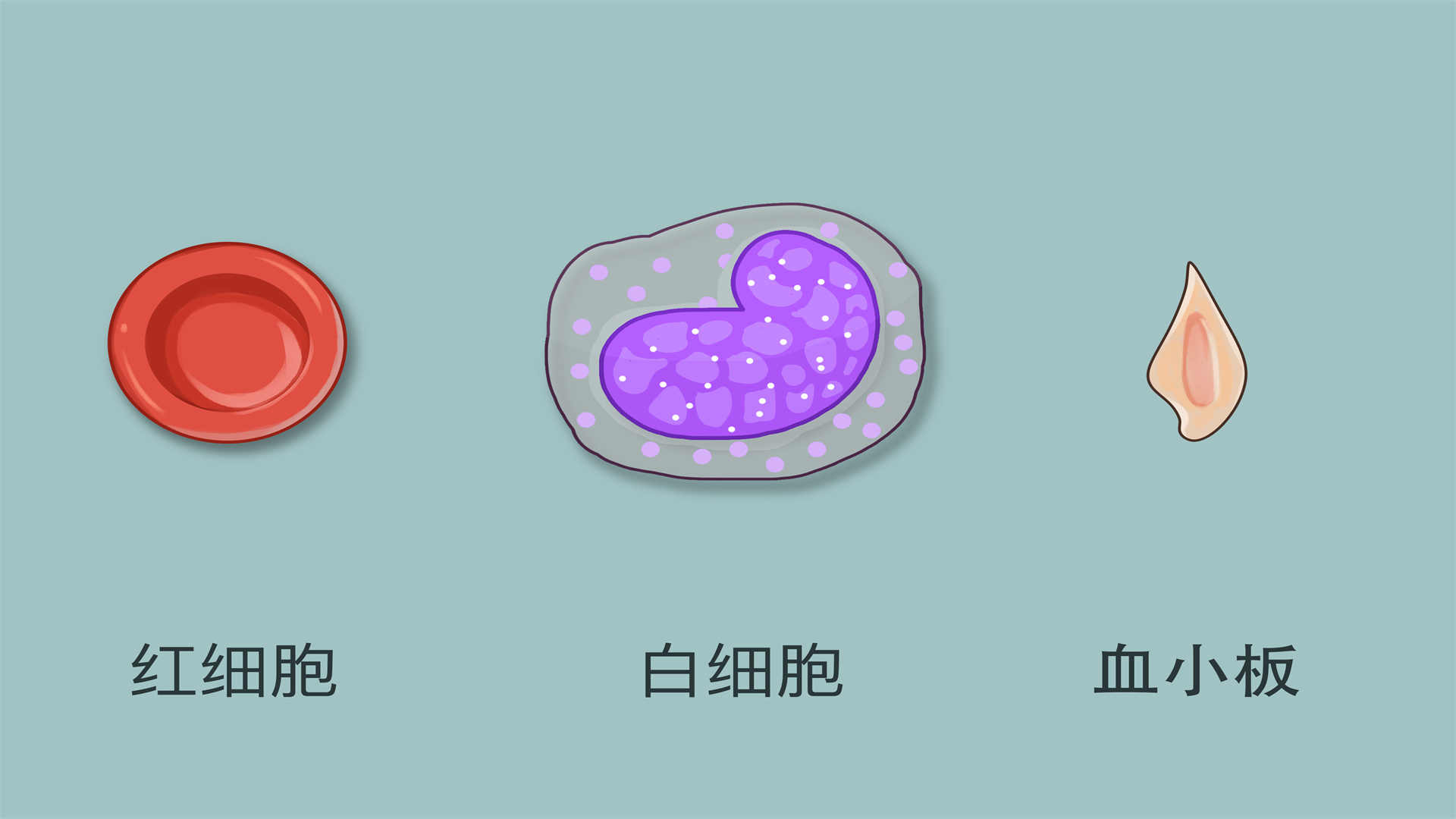
The most common causes of low white blood cell count include: infection, immune-related factors, chemical exposure, and drug-induced effects. Details follow:
1. Infection-related causes
During bacterial infections, routine blood tests typically reveal elevated total white blood cell counts and increased neutrophil levels. However, certain bacterial infections—including typhoid fever, paratyphoid fever, brucellosis, and miliary tuberculosis—commonly cause leukopenia (low WBC count). Additionally, severe sepsis may also lead to markedly reduced circulating white blood cell counts.
2. Immune-related factors
According to Traditional Chinese Medicine (TCM), leukopenia often reflects diminished immunity, resulting in deficiency of both spleen qi and kidney yin, which may manifest as fatigue, palpitations, dizziness, mucosal ulcers, and low-grade fever. Moreover, certain hematologic disorders—such as aplastic anemia, leukemia, and lymphoma—can significantly reduce white blood cell counts.
3. Chemical factors
Ionizing radiation is one of the most common causes of leukopenia. Patients undergoing radiotherapy for certain diseases frequently experience decreased white blood cell counts. Similarly, individuals with prolonged occupational exposure to ionizing radiation are also at risk for developing leukopenia.
4. Drug-induced effects
Certain medications can suppress bone marrow function or otherwise impair white blood cell production, leading to leukopenia. Examples include antipyretic-analgesics, antithyroid drugs, and sulfonamide antibiotics. In most cases, discontinuation of the offending agent results in resolution of the leukopenia.

The primary risks associated with low white blood cell counts include: impaired immunity and increased susceptibility to infectious diseases. Details follow:
1. Impaired immunity
Leukopenia compromises the body’s immune system, diminishing its ability to recognize and phagocytose invading pathogens promptly—thereby increasing the individual’s susceptibility to infection.
2. Increased risk of infectious diseases
White blood cells serve as the body’s frontline defense against pathogens. When their numbers decline, the body’s capacity to resist viral and bacterial invasion weakens significantly. Consequently, opportunistic pathogens may invade more readily, triggering illnesses such as the common cold or fever. Furthermore, leukopenia predisposes individuals to various inflammatory conditions—including stomatitis, otitis media, and pneumonia.
The above outlines the principal causes and associated risks of low white blood cell count. We hope this information proves helpful.


