


Why does mung bean soup turn red?

Under normal circumstances, the red discoloration of mung bean soup may be caused by several factors, including oxidation of polyphenolic compounds, water quality, prolonged cooking time, variety of mung beans, and the type of cooking utensils used. The analysis is as follows:
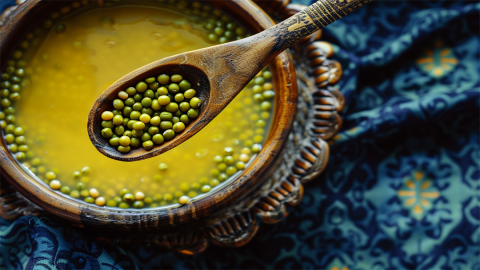
1. Oxidation of Polyphenolic Compounds
Mung bean skins are rich in polyphenolic compounds. During cooking, these substances can react with oxygen in the air, causing the color to gradually change from green to red.
2. Water Quality
If alkaline water is used, metal ions in the water may react with polyphenols in the mung beans, leading to a reddish discoloration of the soup.
3. Prolonged Cooking Time
Extended high-temperature boiling not only softens the mung beans thoroughly but may also accelerate the breakdown and transformation of pigments. After prolonged boiling, the mung bean soup may become very thick, darker in color, and even appear dark red or brown.
4. Variety of Mung Beans
Different mung bean varieties naturally contain varying levels of polyphenolic compounds, which can affect the final color of the cooked soup. Varieties with lower polyphenol content may more easily produce a red-colored broth.
5. Type of Cooking Utensils
When using metal cookware such as iron or aluminum pots, metal ions may leach into the soup and react with components in the mung beans, causing discoloration.
In daily life, if mung bean soup turns red, it is generally not recommended for consumption to avoid potential discomfort.


