


Can cefalosporin and azithromycin be taken together?
Nov 20, 2024
Source: Cainiu Health

Dr. Yang Ziqi
Introduction
When a patient develops a severe infection and the pathogen is susceptible to both cephalosporins and azithromycin, combination therapy may be considered. If the patient is allergic to either medication, it is generally not recommended to take cephalosporins and azithromycin together. Both drugs are metabolized by the liver and excreted by the kidneys; therefore, in patients with abnormal liver or kidney function, these two medications are typically not advised to be taken concurrently.
Cephalosporins and azithromycin are usually available in tablet and capsule forms. Generally speaking, if a patient develops a severe or refractory infection, cephalosporins and azithromycin can be taken together. However, if the patient is allergic to either medication, it is not recommended to take them together. Rational use under a doctor's guidance is advised to ensure safe and effective medication use. Detailed analysis is as follows:
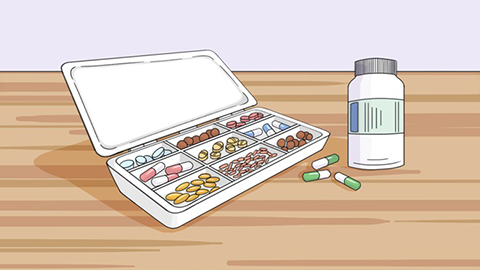
Cephalosporins belong to the cephalosporin class of antibiotics and are mainly used to treat bacterial infections by inhibiting bacterial cell wall synthesis. Azithromycin belongs to the macrolide class of antibiotics and is primarily used for treating anaerobic bacterial, mycoplasma, and chlamydia infections. It has multiple effects including antibacterial, anti-inflammatory, and immune modulation properties. When a patient has a severe infection and the causative pathogen is susceptible to both cephalosporins and azithromycin, combination therapy may be considered.
If a patient is allergic to either of these medications, combining cephalosporins and azithromycin is generally not recommended. Both medications are metabolized by the liver and excreted by the kidneys. If the patient has abnormal liver or kidney function, combining these two medications usually is also not recommended.
During the course of medication treatment, patients should also maintain healthy lifestyle habits, avoid alcohol consumption and eating irritating foods, which is beneficial for recovery.






