


Will hemorrhoids be contagious?
Nov 23, 2024
Source: Cainiu Health

Dr. Li Jingxiang
Introduction
Under normal circumstances, hemorrhoids refer to piles, which are not contagious. Contagion refers to the invasion of pathogens from a diseased organism into another organism. Hemorrhoids, however, are not caused by pathogens such as viruses, bacteria, or fungi. The development of hemorrhoids is mainly due to individual physiological structural characteristics and不良 living habits. It is important to maintain anal hygiene and avoid prolonged sitting or standing.
Generally speaking, hemorrhoids refer to piles, which are not contagious. The detailed explanation is as follows:
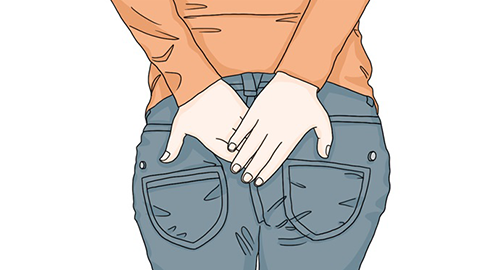
Transmission refers to pathogens invading other organisms from an infected organism. However, hemorrhoids are not caused by pathogens such as viruses, bacteria, or fungi. The formation of hemorrhoids is mainly due to individual physiological structural characteristics and unhealthy lifestyle habits.
Anatomically, humans are bipedal animals, and the rectal veins lack venous valves. Blood returning upward is affected by gravity, making it prone to stagnation. Prolonged sitting or standing further aggravates this blood stasis, leading to varicosity of the rectal venous plexus and resulting in hemorrhoids. From the perspective of lifestyle habits, chronic constipation or diarrhea are important factors in causing hemorrhoids. During constipation, straining during bowel movements increases abdominal pressure, compressing the rectal veins and obstructing venous return, thus causing hemorrhoids. Frequent diarrhea irritates the anal rectum, causing congestion of the venous plexus, which can also easily lead to hemorrhoids.
In daily life, it is important to maintain anal hygiene, avoid prolonged sitting or standing, develop regular bowel habits, eat a light diet, and avoid spicy and irritating foods, all of which help prevent the occurrence of hemorrhoids.







