


What does it mean when hematocrit is elevated?

Hematocrit (HCT) is the former term; it is now referred to as “packed cell volume” (PCV). PCV represents the volume percentage of red blood cells (RBCs) in whole blood. Measuring PCV serves several clinical purposes: diagnosing anemia and polycythemia vera, assessing relative RBC increases (e.g., secondary polycythemia), monitoring changes associated with hemodilution or hemoconcentration, and—combined with other hemorheological parameters—evaluating prethrombotic states. So, what does an elevated hematocrit indicate? Below is an explanation.
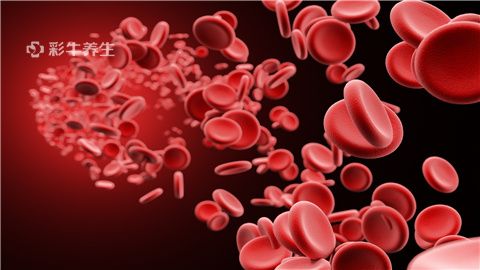
What Causes an Elevated Hematocrit?
1. Physiological Factors
Tissue hypoxia resulting from low environmental oxygen levels or other specific conditions may stimulate compensatory erythrocytosis. This is commonly observed in fetuses and neonates, as well as in individuals chronically exposed to hypoxic environments—such as residents of high-altitude regions. Additionally, insufficient water intake or excessive fluid loss (e.g., due to profuse sweating) can lead to hemoconcentration and thus elevate hematocrit. Furthermore, with improved living standards, some individuals habitually consume large quantities of meat (“meat-centric” diets), which may adversely affect health by increasing blood viscosity—contributing to an elevated hematocrit.
2. Pathological Factors
Erythrocytosis often results from impaired pulmonary gas exchange, leading to systemic hypoxia. Common underlying conditions include bronchiectasis, cor pulmonale, obesity hypoventilation syndrome, pulmonary arteriovenous fistulas, cyanotic congenital heart disease, and abnormal hemoglobinopathies. In contrast, certain disorders cause erythrocytosis without tissue hypoxia—due to autonomous overproduction of RBCs by the bone marrow, independent of physiological demand or compensatory need. Such non-hypoxia-driven erythrocytosis may occur in association with certain tumors or renal diseases, including renal cell carcinoma, adrenal tumors, polycystic kidney disease, renal artery stenosis, and hemangiomas.

Additional Information: How to Manage an Elevated Hematocrit
1. Increase daily fluid intake. Consume light, easily digestible foods—especially fresh vegetables such as cabbage, lettuce, spinach, and celery—and fruits rich in vitamin C, including dragon fruit, grapes, tangerines, oranges, and apples.
2. Patients with elevated hematocrit should avoid greasy, spicy, or highly irritating foods. They should also steer clear of foods with sharp bones, hard textures, or poor digestibility. Seafood and organ meats (e.g., liver, kidney) should be consumed sparingly. Maintaining regular sleep–wake cycles and healthy lifestyle habits is essential.
The above provides an overview of normal urine color. We hope this information is helpful to you.


