


What Does Elevated Lactate Dehydrogenase (LDH) Indicate?

Lactate dehydrogenase (LDH) is one of the key enzymes involved in anaerobic glycolysis and gluconeogenesis. It catalyzes the reversible interconversion between pyruvate and L-lactate, as well as related alpha-keto acids. LDH is widely distributed throughout human tissues, with the highest concentrations found in the kidneys, followed by the heart muscle, skeletal muscle, and red blood cells. So, what does elevated LDH signify? Below is an explanation.
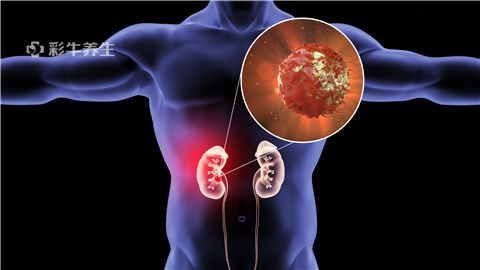
What Does Elevated Lactate Dehydrogenase Indicate?
Elevated LDH levels are commonly associated with conditions such as myocardial infarction, hepatitis, pulmonary embolism, glomerular diseases, malignant tumors, leukemia, anemia, and muscular atrophic disorders. However, it is important to note that because LDH is present in many tissues, an elevated LDH level lacks disease specificity. Therefore, clinical interpretation requires integration with the patient’s overall symptoms and additional diagnostic tests. For healthy individuals, occasional mild LDH elevation need not cause alarm—acute anemia, for example, may transiently elevate LDH. Thus, if no other symptoms are present, there is generally no cause for concern. Given the wide range of potential causes for LDH elevation, management should always focus on identifying and treating the underlying condition. Only when the primary disease is effectively treated will LDH levels return to normal. Additionally, patients should ensure adequate rest, avoid overexertion, and maintain a healthy lifestyle.
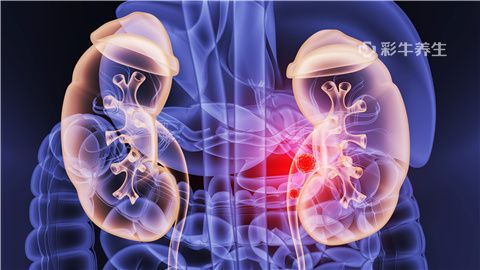
Knowledge Extension: What Should Be Done When LDH Is Elevated?
1. If LDH elevation results from excessive physical activity or malnutrition, it is relatively straightforward to manage. Patients should ensure adequate nutritional intake, particularly high-protein foods such as eggs and milk, and engage in exercise at appropriate intensity levels. Furthermore, smoking and alcohol consumption should be avoided: nicotine in tobacco significantly damages the lungs and heart, while alcohol exerts substantial toxic effects on the liver.
2. For pathological LDH elevation, further diagnostic evaluation is essential to identify the underlying cause and guide targeted treatment. In particular, when elevated LDH stems from liver disease, therapy must address the root cause. Merely administering hepatoprotective or enzyme-lowering drugs provides only symptomatic relief; LDH levels typically rebound to pre-treatment levels—or even rise higher—upon discontinuation of therapy.
The above outlines what elevated lactate dehydrogenase may indicate. We hope this information is helpful to you.


