What are the functions and effects of Equisetum (Horsetail)?
Nov 25, 2024
Source: Cainiu Health

Dr. Zhang Xiuhong
Introduction
Under normal circumstances, as a traditional Chinese medicinal herb, Equisetum (Wood rush) is neutral in nature and has a sweet and bitter taste, offering various functions and effects, mainly including dispersing wind-heat, improving vision by removing corneal opacity, stopping bleeding, reducing inflammation and inhibiting bacteria, as well as moistening the intestines and relieving constipation. However, individuals with qi and blood deficiency should use Equisetum cautiously. Excessive use of Equisetum may harm the liver, and long-term consumption is not recommended. When using Equisetum for treatment, one should pay attention to changes in their own symptoms.
Generally, as a traditional Chinese medicinal herb, Equisetum (wood horsetail) has a neutral property with sweet and bitter tastes, and offers various therapeutic effects. These mainly include dispersing wind-heat, improving vision by removing corneal opacity, stopping bleeding, reducing inflammation and inhibiting bacteria, and moistening the intestines to relieve constipation. The specific effects are analyzed as follows:
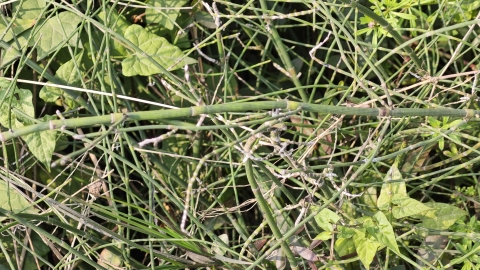
1. Dispersing Wind-Heat
Equisetum has a sweet and bitter taste, neutral property, and acts on the lung, liver, and gallbladder meridians. Its function of dispersing wind-heat primarily targets exogenous wind-heat pathogens. According to traditional Chinese medicine (TCM) theory, wind-heat pathogens often attack the upper parts of the body, such as the head, face, and throat, causing symptoms like fever, headache, red and painful eyes. Equisetum can disperse wind-heat pathogens through its dispersing properties, thereby alleviating these symptoms. From a compositional perspective, this effect may be related to its volatile oil content, which has certain exterior-releasing properties.
2. Improving Vision by Removing Corneal Opacity
Equisetum is highly effective in treating corneal opacity. Corneal opacity refers to visual impairments caused by lesions in the eye, such as corneal clouding or leucomas. Equisetum can improve blood circulation in the eyes and promote the resolution of opacities. From a modern medical perspective, this may be due to its components regulating metabolism in ocular tissues or exerting anti-inflammatory effects on opacity caused by inflammation.
3. Stopping Bleeding
Equisetum also has hemostatic properties. In TCM theory, it can be used to treat various bleeding conditions, such as hematuria, rectal bleeding, and dysenteric blood loss. Its hemostatic mechanism may involve vasoconstriction to reduce blood loss. From a compositional standpoint, Equisetum contains flavonoids and other compounds that may play a role in the hemostatic process.
4. Reducing Inflammation and Inhibiting Bacteria
Equisetum has significant anti-inflammatory effects and shows good inhibitory activity against various pathogens, including Staphylococcus aureus, Escherichia coli, Bacillus anthracis, and Shigella. By reducing inflammation and inhibiting bacterial growth, Equisetum can also help enhance immune function and increase resistance to diseases.
5. Moistening the Intestines and Relieving Constipation
Equisetum can moisten dryness and reduce internal heat, making it effective in treating constipation caused by intestinal dryness.
However, individuals with qi and blood deficiency should use Equisetum cautiously. Excessive use may harm the liver, and long-term consumption is not recommended. When using Equisetum for treatment, it is important to monitor changes in symptoms. If adverse reactions such as nausea, vomiting, abdominal pain, diarrhea, or rash occur, discontinue use immediately and consult a physician.