The Efficacy and Functions of Chrysanthemum and Cassia Seed Tea
Nov 26, 2024
Source: Cainiu Health

Dr. Yang Ziqi
Introduction
Both chrysanthemum and cassia seeds have the effect of clearing the liver and improving vision. Chrysanthemum is rich in vitamin A, which helps relieve eye fatigue and improve blurred vision; cassia seeds can clear the liver and improve vision, alleviating symptoms such as dryness and redness of the eyes caused by excessive liver heat. Long-term consumption of this tea helps protect eye health and reduce the occurrence of eye diseases.
Generally, chrysanthemum and cassia seed tea has functions and benefits including improving vision, clearing heat and detoxifying, moistening the intestines and relieving constipation, regulating blood pressure and blood lipids, and anti-bacterial and anti-inflammatory effects. Specific details are as follows:
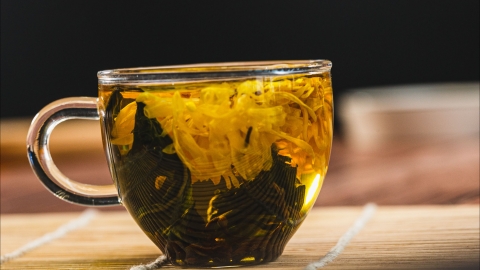
1. Clearing the liver and improving vision: Both chrysanthemum and cassia seeds have the effect of clearing the liver and improving vision. Chrysanthemum is rich in vitamin A, which helps relieve eye fatigue and improve blurred vision; cassia seeds can clear the liver and eyes, alleviating symptoms such as dryness and redness of the eyes caused by excessive internal heat. Long-term consumption of this tea helps protect eye health and reduce the occurrence of eye diseases.
2. Clearing heat and detoxifying: Chrysanthemum is slightly cold in nature, with a pungent, sweet, and bitter taste, and has the effect of clearing heat and detoxifying, which can alleviate symptoms such as sore throat and mouth ulcers; cassia seeds also have the function of clearing internal heat. Therefore, chrysanthemum and cassia seed tea can effectively clear heat and detoxify when consumed during summer or when there is excessive internal heat.
3. Moistening the intestines and relieving constipation: Cassia seeds are rich in emodin, which has the effect of moistening the intestines and promoting bowel movements. For individuals experiencing constipation or intestinal discomfort, drinking chrysanthemum and cassia seed tea can stimulate intestinal motility, alleviate constipation, and improve bowel movements.
4. Regulating blood pressure and blood lipids: Anthraquinones in cassia seeds can lower blood pressure and blood lipids. Patients with hypertension and hyperlipidemia can benefit from moderate consumption of chrysanthemum and cassia seed tea to help regulate blood pressure and lipids, reducing the risk of cardiovascular diseases. However, patients with hypotension should consume it cautiously.
5. Antibacterial and anti-inflammatory: Both chrysanthemum and cassia seeds have certain antibacterial and anti-inflammatory effects. Chrysanthemum can inhibit the growth of certain bacteria and viruses, while cassia seeds can alleviate inflammatory responses in the body. Therefore, drinking chrysanthemum and cassia seed tea during respiratory infections such as colds and coughs may provide some auxiliary therapeutic benefits.
Individuals with a cold spleen and stomach, loose stools, or allergies should consume chrysanthemum and cassia seed tea cautiously or avoid it altogether to prevent discomfort. Additionally, excessive and long-term consumption should be avoided to prevent potential side effects.