


Why can't you drink soy milk at night?
Nov 26, 2024
Source: Cainiu Health

Dr. Yang Ziqi
Introduction
Soy milk contains a certain amount of water, and drinking it at night may increase the frequency of nocturnal urination, thereby disrupting sleep. Some components in soy milk may have a mild stimulating effect, affecting sleep quality. Gastrointestinal motility slows down at night, and drinking soy milk at this time may increase the burden on the gastrointestinal tract, leading to symptoms such as indigestion, bloating, and diarrhea.
Generally, the reasons why soy milk should not be consumed at night include effects on sleep, gastrointestinal discomfort, risk of obesity, increased burden on the kidneys, and risk of kidney stones. The specific details are as follows:
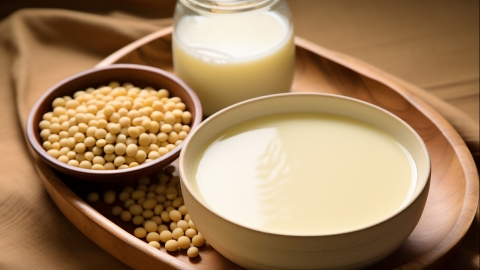
1. Effects on sleep: Soy milk contains a certain amount of water, which may increase nighttime urination frequency and thereby disrupt sleep. Some components in soy milk may have a mild stimulating effect, affecting sleep quality.
2. Gastrointestinal discomfort: Gastrointestinal motility slows down at night, and drinking soy milk at this time may increase the burden on the gastrointestinal tract, leading to symptoms such as indigestion, bloating, and diarrhea. The oligosaccharides in soy milk may cause discomfort such as belching and bowel sounds.
3. Risk of obesity: At night, the body's metabolic rate is relatively slow. Nutrients from soy milk may not be promptly consumed and may instead be converted into fat and stored in the body, potentially leading to weight gain over time.
4. Increased burden on the kidneys: The kidneys are responsible for filtering and excreting excess water and waste from the body. Drinking soy milk at night may increase the burden on the kidneys, as they need to process additional water and metabolic waste from the soy milk.
5. Risk of kidney stones: Soy milk contains a certain amount of oxalate. If oxalate combines with calcium in the body, it may form stones. Although this situation is relatively rare, long-term consumption of soy milk at night may increase the risk of kidney stones.
Maintaining good eating habits and a regular lifestyle in daily life is beneficial for overall health.




