


Can I eat white radish while taking traditional Chinese medicine?
Nov 26, 2024
Source: Cainiu Health

Dr. Zhang Xiuhong
Introduction
In most cases, it is acceptable to eat a moderate amount of white radish. Generally, consuming white radish during the period of taking traditional Chinese medicine (TCM) is permissible. White radish is a nutrient-rich vegetable, containing abundant water and vitamins, which is beneficial to the human body. During the course of taking herbal medicine, eating a moderate amount of white radish usually does not interfere with the effects of the medication.
In most cases, it is acceptable to consume an appropriate amount of white radish.
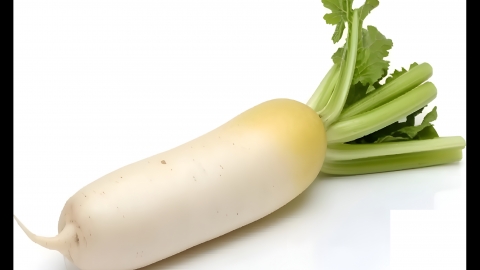
Generally speaking, it is okay to eat white radish while taking traditional Chinese medicine (TCM). White radish is a nutritious vegetable rich in water and vitamins, which is beneficial for the human body. During the process of taking TCM, eating a moderate amount of white radish usually does not interfere with the effects of the medicine. Moreover, white radish has the function of nourishing stomach yin, which helps to soothe the stomach and regulate stomach qi, thus facilitating drug absorption. For TCM prescriptions without specific restrictions, patients can normally consume white radish as part of their regular diet while undergoing herbal treatment.
However, if patients are taking qi-supplementing TCM or have gastrointestinal functional issues, they should avoid consuming white radish. Some qi-supplementing herbs, such as ginseng, may have their therapeutic effects weakened when taken together with white radish due to the qi-dispersing property of white radish. In certain TCM treatment plans targeting gastrointestinal function or other specific conditions, doctors may specifically advise against eating white radish or other foods to ensure maximum efficacy of the prescribed medicine.
While undergoing TCM treatment, patients should follow medical advice, maintain a balanced diet, and avoid consuming excessively cold, spicy, raw, or cooling foods, which may interfere with drug absorption or exacerbate physical discomfort.



