


What are the effects and contraindications of carambola (starfruit)?
Nov 28, 2024
Source: Cainiu Health

Dr. Yang Ziqi
Introduction
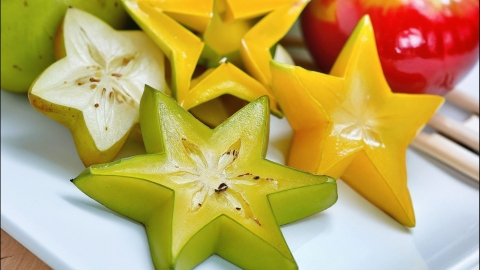
Under normal circumstances, carambola (starfruit) is a tropical and subtropical fruit with juicy, crisp flesh and a mildly sweet and sour taste. It is rich in vitamin C, dietary fiber, and various minerals. Carambola offers benefits such as improving skin health, reducing pigmentation spots, relieving fatigue, providing nutrition, promoting digestion, and alleviating phlegm and coughing. However, it should be avoided by children, individuals with allergies, patients with kidney disease, patients with gastrointestinal disorders, and patients with diabetes.
Generally speaking, carambola (starfruit) is a tropical and subtropical fruit with juicy, crisp flesh and a sweet-tart flavor. It is rich in vitamin C, dietary fiber, and various minerals. Carambola offers benefits such as improving skin health and reducing pigmentation, relieving fatigue, supplementing nutrition, promoting digestion, and alleviating cough with phlegm. However, children, individuals with allergies, patients with kidney disease, patients with gastrointestinal disorders, and patients with diabetes should consume it cautiously to avoid adverse effects. Detailed analysis is as follows:
I. Benefits
1. Improving Skin Health and Reducing Pigmentation
The large amount of fruit acid contained in carambola effectively inhibits melanin deposition, helping to lighten or remove spots, moisturize the skin, and improve oily or dry skin types.
2. Relieving Fatigue
The fructose and glucose in carambola are easily absorbed by the human body, rapidly replenishing energy and alleviating fatigue.
3. Supplementing Nutrition
Carambola contains water, protein, carbohydrates, dietary fiber, vitamin C, and other nutrients essential to the human body. Moderate consumption of carambola can effectively supplement necessary nutrients, enhance physical condition, and improve disease resistance.
4. Promoting Digestion
Carambola juice is rich in oxalic acid, citric acid, malic acid, and other substances that can increase gastric juice acidity and promote food digestion.
5. Alleviating Cough with Phlegm
In addition to its high content of carotenoids, carambola also contains a large amount of volatile components. Combined with sugars, vitamin B, vitamin C, and organic acids, it is effective in treating conditions such as pharyngitis, oral ulcers, and toothaches, helping to relieve cough, clear phlegm, reduce internal heat, and soothe the throat.
II. Contraindications
1. Children
Excessive consumption of carambola by children may lead to the formation of calcium stones, affecting their health. Children should consume carambola under adult supervision.
2. Individuals with Allergies
Those allergic to components in carambola may experience adverse symptoms such as skin itching, swelling, nausea, and vomiting after consumption, which can seriously affect health. People with allergies should avoid eating carambola.
3. Patients with Kidney Disease
Carambola contains a neurotoxin that can be metabolized by healthy individuals but cannot be excreted by patients with kidney disease, potentially causing poisoning that may be life-threatening in severe cases.
4. Patients with Gastrointestinal Disorders
Carambola contains dietary fiber, which may stimulate gastrointestinal motility and worsen conditions if consumed in excess by individuals with weak gastrointestinal systems.
5. Patients with Diabetes
Carambola contains sugars such as fructose and glucose; excessive consumption may elevate blood sugar levels, which is detrimental to blood sugar control for diabetic patients. Therefore, diabetic patients should control their intake when consuming carambola. Diabetic patients should consume carambola in moderation to avoid blood sugar spikes.
Although carambola is nutritionally rich, it should be consumed in moderation to maintain a balanced diet and avoid excessive intake that may cause bodily discomfort.





