


What should I do if my stomach feels uncomfortable and I have a burning sensation?
Nov 28, 2024
Source: Cainiu Health

Dr. Shen Yonghua
Introduction
Stomach discomfort and a burning sensation (heartburn) may be caused by improper diet, excessive mental stress, gastritis, gastroesophageal reflux, peptic ulcer, or other factors, and management should be based on the specific situation. Long-term consumption of spicy, greasy, overly acidic, or other irritating foods, or overeating, binge eating, or irregular eating habits may damage the gastric mucosa and increase gastric acid secretion, leading to heartburn.
Stomach discomfort and a burning sensation may be caused by improper diet, excessive mental stress, gastritis, gastroesophageal reflux disease (GERD), peptic ulcer, and other factors. Management should be based on the specific situation. It is recommended to visit a hospital promptly and follow medical advice for treatment.
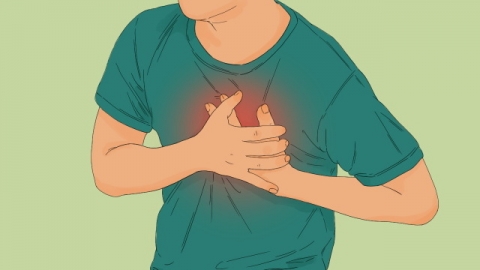
1. Improper diet: Long-term consumption of spicy, greasy, overly acidic, or other irritating foods, or binge eating and irregular eating habits may damage the gastric mucosa and increase gastric acid secretion, causing heartburn. It is recommended to adjust dietary habits, eat more vegetables, fruits, and easily digestible foods, avoid irritating foods, and promptly correct unhealthy eating behaviors.
2. Excessive mental stress: Excessive mental stress may affect the normal function of the nervous system, leading to increased gastric acid secretion and abnormal contractions of stomach muscles, which can cause stomach discomfort. It is recommended to learn stress-relief techniques, maintain a pleasant mood, and relax through activities such as exercise, meditation, and listening to music.
3. Gastritis: Gastritis refers to inflammatory lesions of the gastric mucosa, which may be caused by unhygienic eating habits, drug irritation, and other factors. Patients may experience increased gastric acid secretion and damage to the gastric mucosa, leading to stomach discomfort and a burning sensation, possibly accompanied by upper abdominal pain, bloating, nausea, and vomiting. It is recommended that patients take potassium bismuth citrate tablets, colloidal bismuth pectin capsules, domperidone tablets, and other medications under a doctor's guidance.
4. Gastroesophageal reflux disease (GERD): This condition is usually caused by reduced pressure in the lower esophageal sphincter or decreased esophageal clearance, allowing stomach contents to flow back into the esophagus, irritating the esophageal mucosa and causing symptoms such as heartburn and chest pain. Accompanying symptoms may include chest pain, belching, and difficulty swallowing. Patients may take omeprazole enteric-coated capsules, lansoprazole enteric-coated tablets, ranitidine tablets, and other medications under medical supervision.
5. Peptic ulcer: A peptic ulcer is caused by localized damage to the gastric mucosa, forming an ulcer. When gastric acid and digestive enzymes come into contact with the ulcer surface, they stimulate nerve endings, causing pain and discomfort. Accompanying symptoms may include upper abdominal pain, nausea, and vomiting. Patients may take pantoprazole sodium enteric-coated tablets, esomeprazole magnesium enteric-coated tablets, hydrotalcite chewable tablets, and other medications as directed by a physician.
In daily life, it is recommended to adjust eating habits, avoid overeating, and maintain healthy lifestyle practices. Keeping a pleasant mood and regular作息 (作息 should be translated as "作息" in English, but since it's not clear in this context, it can be translated as "作息" or "rest and work patterns") can help prevent and alleviate stomach discomfort.





