The best treatment method for jock itch
Dec 21, 2024
Source: Cainiu Health

Dr. Liu Wenmin
Introduction
In general, there is no such thing as the "best treatment for tinea cruris." Tinea cruris may be caused by factors such as local warmth and humidity, decreased personal immunity, tinea pedis or tinea manuum, contact dermatitis, diabetes with skin infection, and others. General treatment and medication therapy can be used to improve the condition. It is important to seek medical attention promptly and follow medical advice for treatment.
Generally, there is no such thing as a "best treatment for tinea cruris." Tinea cruris (jock itch) may be caused by factors such as warm and humid local conditions, decreased immunity, tinea manus/pedis (hand/foot fungus), contact dermatitis, or diabetes with concurrent skin infections. Improvement can be achieved through general care and medication. Prompt medical consultation and following medical advice for treatment are necessary. Specific causes are as follows:
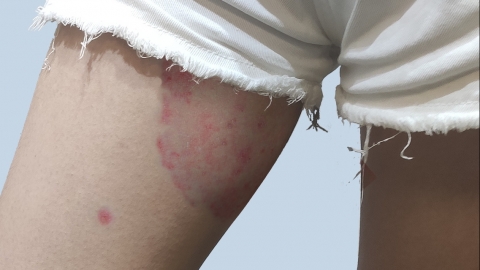
1. Warm and humid local conditions: Areas such as the groin and genital regions are relatively enclosed and prone to sweating. Such warm and humid environments provide ideal conditions for the growth and reproduction of dermatophytes (fungal pathogens), allowing them to multiply and increasing the incidence of tinea cruris. It is important to keep affected areas clean and dry, avoid scratching, and prevent self-infection and spread.
2. Decreased immunity: When the body's immunity is reduced, the skin's defense mechanisms also weaken, making it easier for dermatophytes to invade the skin and cause tinea cruris. Underlying medical conditions should be actively treated, immunity improved, and the affected areas kept clean and dry.
3. Tinea manus/pedis (hand/foot fungus): Tinea manus/pedis is a skin infection of the hands and feet caused by dermatophytes. If other body areas are affected by tinea manus/pedis, scratching may transfer the fungi to the groin area. When the skin resistance in these areas is low, the fungi can colonize and cause tinea cruris, resulting in blisters. Antifungal medications such as terbinafine hydrochloride cream, compound ketoconazole cream, or compound miconazole nitrate cream should be used as directed by a physician.
4. Contact dermatitis: Contact dermatitis refers to inflammatory reactions that occur at the site of contact—and sometimes even distant sites—after the skin comes into contact with exogenous substances. Dermatophytes may spread via contaminated objects to the skin of healthy individuals, causing contact dermatitis and tinea cruris, which may manifest as erythema (redness). Anti-inflammatory and antipruritic medications such as calamine lotion, mupirocin ointment, or compound dexamethasone cream may be used under medical guidance.
5. Diabetes with skin infection: Patients with diabetes have elevated blood glucose levels, which increase glycogen content in the skin tissue, providing abundant nutrients for bacteria and fungi, thus making the skin more susceptible to fungal infections, leading to skin pain. Medications such as metformin hydrochloride tablets, acarbose tablets, or erythromycin ointment should be used as directed by a physician to lower blood sugar and reduce inflammation.
During treatment, attention should be paid to adjusting lifestyle habits and dietary patterns to promote recovery.