What causes a dry and sore throat upon waking up in the morning?
Dec 21, 2024
Source: Cainiu Health

Dr. Lu Cheng
Introduction
Under normal circumstances, the throat refers to the pharynx, and dry pain indicates a sensation of dryness accompanied by pain. Morning dry throat pain after waking up may be caused by poor sleeping environment, habitual mouth breathing, insufficient fluid intake at night, tonsillitis, Sjögren's syndrome, or other related factors. It is advisable to maintain good indoor air circulation and cleanliness, regularly open windows for ventilation, and reduce irritation to the throat from dust, bacteria, and other irritants.
Generally speaking, the term "throat" refers to the pharynx, and "dry pain" indicates a dry, painful sensation. Morning dry throat pain may be caused by poor sleeping environment, habitual mouth breathing, insufficient water intake at night, tonsillitis, Sjögren's syndrome, and other reasons. If discomfort occurs, it is recommended to seek medical attention promptly. Detailed explanations are as follows:
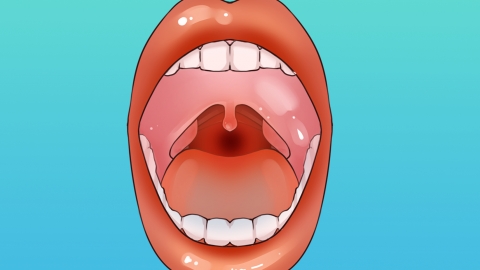
1. Poor Sleep Environment
When the sleeping environment is excessively dry—for example, using heating or air conditioning in winter without a humidifier—the indoor air humidity decreases. During sleep, the moisture in the pharyngeal mucosa continuously evaporates into the dry air through respiration and cannot be replenished in time, leading to dryness and subsequent pain in the pharyngeal mucosa. Using a humidifier to maintain an appropriate indoor humidity level can help ensure a suitable sleeping environment.
2. Habitual Mouth Breathing
Some individuals have the habit of breathing through their mouths during sleep, which may be due to nasal congestion caused by conditions like rhinitis or sinusitis, or improper sleeping posture that compresses the airway. This allows air to enter the throat without being moisturized, warmed, and filtered by the nasal cavity, accelerating evaporation of moisture from the pharyngeal mucosa and resulting in dry throat pain. It is recommended to adjust sleeping posture, preferably sleeping on one's side or back, and avoid the prone position that may compress the airway.
3. Insufficient Water Intake at Night
If one drinks too little water before bedtime or consumes overly salty food for dinner, the body may experience relative dehydration during sleep due to ongoing metabolic water consumption without sufficient replenishment. The pharyngeal mucosa may become dry and cause a sensation of dry pain due to lack of moisture. Maintaining adequate water intake, avoiding overly salty evening meals, and keeping the body's water balance are recommended.
4. Tonsillitis
Tonsillitis is often caused by bacterial infections, such as those caused by group A beta-hemolytic streptococcus, although viral infections can also lead to secondary bacterial infection. Inflammation can cause congestion and edema of the pharyngeal mucosa. In the morning, accumulated inflammatory secretions during the night may irritate the throat, leading to significant dry pain. Symptoms may also include chills and fatigue. Treatment may include medications such as penicillin V potassium tablets, azithromycin dispersible tablets, and Lanqin oral liquid, under a doctor's guidance.
5. Sjögren's Syndrome
Sjögren's syndrome is an autoimmune disease primarily caused by the body's immune system mistakenly attacking its own exocrine glands, resulting in impaired secretory functions of glands such as the salivary and lacrimal glands. When saliva production decreases, the lubricating effect in the mouth and throat weakens, leaving the pharyngeal mucosa chronically dry and prone to symptoms such as pain and hoarseness, particularly noticeable upon waking. Dry mouth and dry eyes often accompany these symptoms. Patients may take medications such as prednisone acetate tablets, hydroxychloroquine sulfate tablets, and cyclophosphamide tablets as advised by their doctors.
Maintain good indoor air circulation and cleanliness by regularly opening windows for ventilation to reduce irritation to the throat from dust and bacteria. Avoid excessive fatigue, ensure adequate sleep, and maintain normal physiological functions and immunity.