


What causes frequent waking up between 2 AM and 3 AM?

Generally, frequently waking up between 2 a.m. and 3 a.m. might be caused by circadian rhythm disorders, anxiety and depression, iron deficiency anemia, gastroesophageal reflux disease (GERD), hypertension, or other reasons. It is recommended to seek timely medical advice to identify the underlying cause, followed by recovery through appropriate lifestyle modifications, medication, or surgical treatment under the guidance of a qualified physician. Detailed explanations are as follows:
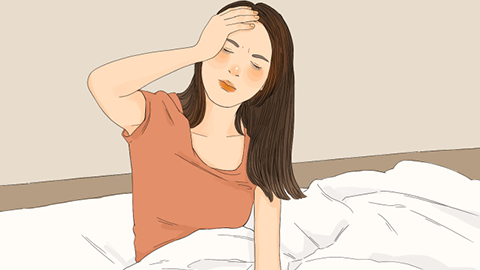
1. Circadian Rhythm Disorders
These may result from nighttime caffeine intake, improper medication use, or lifestyle habits that disrupt the body's internal clock, thereby affecting the sleep cycle and causing frequent awakenings between 2 a.m. and 3 a.m. Symptoms may include daytime sleepiness and difficulty concentrating. It is recommended to adjust lifestyle habits, maintain a regular sleep schedule, and avoid caffeine intake and vigorous exercise at night.
2. Anxiety and Depression
Emotional fluctuations and symptoms of anxiety or depression can affect the balance of the nervous system, disrupting normal sleep cycles and causing awakenings between 2 a.m. and 3 a.m. Symptoms may include low mood, anxiety, and changes in appetite. It is advisable to seek psychological counseling and support, and practice relaxation techniques such as deep breathing, yoga, and meditation to help reduce stress.
3. Iron Deficiency Anemia
Iron deficiency anemia reduces the oxygen-carrying capacity of red blood cells, leading to organ hypoxia and symptoms such as fatigue, dizziness, and palpitations, which may cause frequent awakenings between 2 a.m. and 3 a.m. Additional symptoms include pallor, loss of appetite, and difficulty concentrating. It is recommended to follow medical advice and take supplements such as ferrous sulfate tablets, vitamin B12 injections, and folic acid tablets to improve the anemia. Additionally, increase dietary intake of iron-rich foods such as animal liver and lean meats.
4. Gastroesophageal Reflux Disease (GERD)
GERD may cause stomach acid to flow back into the esophagus, resulting in discomfort and sleep disturbances, which may lead to awakenings between 2 a.m. and 3 a.m. Symptoms may include retrosternal burning sensation, acid regurgitation, and belching. It is recommended to modify lifestyle habits, such as avoiding lying down immediately after dinner, and elevating the head of the bed. Follow medical advice for the use of medications such as omeprazole enteric-coated capsules, hydrotalcite chewable tablets, and smectite powder.
5. Hypertension
Hypertension increases pressure on blood vessel walls, affecting cerebral blood circulation and potentially causing symptoms such as headache and dizziness, which may lead to awakenings between 2 a.m. and 3 a.m. Symptoms may include high blood pressure, proteinuria, and edema. It is recommended to follow medical advice and take antihypertensive medications such as levamlodipine besylate tablets, metoprolol tartrate injection, and indapamide sustained-release tablets. Additionally, maintain a low-salt diet and regularly monitor blood pressure and urinary protein levels.
When treating frequent awakenings between 2 a.m. and 3 a.m., choose an appropriate treatment method based on individual circumstances. At the same time, maintain healthy lifestyle habits and a positive mental state.


