


What should I do if my joint is dislocated?

Dislocation refers to joint dislocation, which may be caused by external force, congenital joint developmental abnormalities, ligament laxity, osteoporosis, joint diseases, and other factors. Treatment usually includes manual reduction, surgical reduction, joint immobilization, and medication. If any abnormalities occur, timely medical attention is recommended. Detailed analysis is as follows:
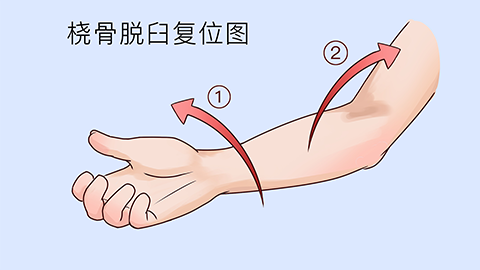
1. External force: Excessive external force acting on the joint, such as falling or impact injuries, can cause displacement of the bones forming the joint, resulting in dislocation. Patients often experience significant pain, limited joint movement, and joint deformity. Most dislocations can be treated with closed manual reduction. If closed reduction fails or there is an old dislocation, surgical open reduction may be required, along with repair of the damaged joint capsule and surrounding soft tissues.
2. Congenital joint developmental abnormalities: Congenital structural defects such as a shallow joint socket or oversized joint head may cause uneven pressure distribution on the joint, making it prone to dislocation under external force. This type of dislocation is usually accompanied by joint instability and a tendency for recurrent dislocations. For dislocations caused by such factors, surgical correction can be considered, such as open reduction or arthroscopic joint debridement, to improve joint stability.
3. Ligament laxity: Weakened or loose ligaments around the joint may lose tension and be unable to provide sufficient support and stability, thereby increasing the risk of joint dislocation. Dislocations caused by ligament laxity are often accompanied by joint capsule laxity and susceptibility to dislocation even with minor external forces. Ligament laxity-related dislocations can be managed with physical therapies, such as muscle-strengthening exercises, to enhance the strength and stability of the muscles surrounding the joint and reduce the occurrence of dislocations.
4. Osteoporosis: Osteoporosis is a metabolic bone disease characterized by reduced bone mass and deterioration of bone microarchitecture, leading to increased bone fragility and a higher risk of joint dislocation. Patients with osteoporosis often experience bone pain and an increased risk of fractures. Treatment may include medications such as calcitriol and calcium lactate tablets, alendronate sodium tablets, and zoledronic acid injection, as directed by a physician to alleviate symptoms.
5. Rheumatoid arthritis: This is an antigen-induced, T-cell-mediated, genetically related multisystem inflammatory autoimmune disease. It may affect the bones, causing damage to joint structures, impairing normal joint function, and leading to pathological dislocation, accompanied by symptoms such as joint swelling, stiffness, and warmth. Treatment may include medications such as penicillin G sodium for injection, erythromycin ethylsuccinate tablets, and aspirin capsules, under the guidance of a physician.
In daily life, it is important to protect the joints, avoid external impacts and excessive joint use, and undergo regular physical examinations to assess joint health.


