


How is a transvaginal ultrasound performed?

Generally, transvaginal ultrasound (TVS) refers to a common gynecological examination method. Its specific steps include preparation, lubrication and disinfection, probe insertion, scanning and observation, and result analysis. If necessary, it is recommended to perform the procedure under a doctor's guidance. The detailed steps are as follows:
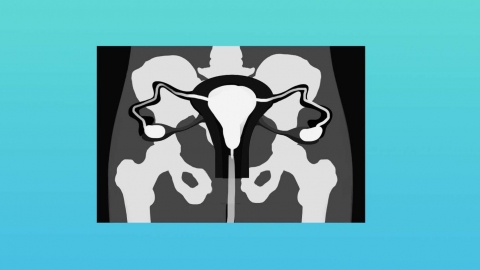
1. Preparation: Before the examination, the patient needs to empty her bladder to avoid interference from a full bladder with the examination results. Then, she should lie flat on the examination table with her legs apart, exposing the perineal area.
2. Lubrication: The doctor will place a disposable condom or other disposable sterile sheath over the ultrasound probe and apply coupling gel on it to facilitate closer contact between the probe and the skin, providing lubrication.
3. Probe Insertion: The doctor will slowly insert the probe into the vaginal vault and adjust the angle and depth according to the examination requirements to obtain the best images.
4. Scanning and Observation: Using the handheld probe, the doctor will scan areas such as the uterus and ovaries, observing their shape, size, and internal structures, while recording relevant imaging data.
5. Result Analysis: Images obtained during the examination will be displayed in real time on the screen. The doctor will perform a preliminary analysis based on the imaging information to detect any abnormalities.
It should be noted that transvaginal ultrasound is not recommended for women in late pregnancy or for those who have not had sexual intercourse, to avoid potential harm to the fetus or the hymen.


