


What are the precautions for mycoplasma pneumonia?
Jan 02, 2025
Source: Cainiu Health

Dr. Ren Yi
Introduction
After contracting mycoplasma pneumonia, it is recommended to follow a light diet, such as millet porridge, vegetable porridge, and steamed egg custard—foods that are easy to digest and absorb. Avoid oily, spicy, and irritating foods, as they may worsen the condition. During the illness, it is important to replenish fluids, which helps accelerate metabolism, promote the elimination of mycoplasma pneumonia pathogens, and speed up recovery.
Generally, patients with mycoplasma pneumonia should pay attention to dietary adjustments, maintain a suitable environment, implement appropriate isolation measures, follow medical advice for medication, and monitor symptom changes during their illness and treatment. Patients are advised to visit the hospital promptly and receive treatment under a doctor's guidance. The detailed recommendations are as follows:
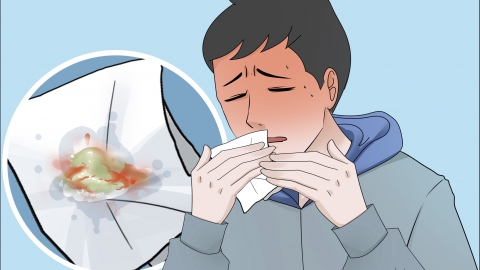
1. Dietary Adjustments
After contracting mycoplasma pneumonia, patients should primarily follow a bland diet, consuming easily digestible and absorbable foods such as millet porridge, vegetable porridge, and steamed egg custard. Avoid oily, spicy, and irritating foods, as they may worsen the condition. It is important to stay well-hydrated during the illness, which helps accelerate metabolism, eliminate mycoplasma, and promote recovery.
2. Maintain a Suitable Environment
After infection with mycoplasma pneumonia, the patient's overall immune status is weakened, so environmental care is especially important. Regularly ventilate the living space by opening windows, maintain appropriate temperature and humidity levels, and adjust clothing promptly according to changes in weather conditions.
3. Appropriate Isolation
Mycoplasma pneumonia is somewhat contagious. During the illness, especially when experiencing significant coughing and sputum production, patients should avoid close contact with others to prevent spreading the pathogen. Measures such as wearing a mask and avoiding crowded places can help reduce transmission risks.
4. Follow Medical Advice for Medication
Physicians will develop a treatment plan based on the patient's condition. Patients should strictly follow the doctor's recommendations and not discontinue medication or adjust dosages arbitrarily. Commonly used medications include azithromycin capsules, levofloxacin hydrochloride capsules, and tetracycline tablets, but specific prescriptions should be determined by a doctor.
5. Monitor Symptom Changes
Patients should closely observe whether symptoms such as coughing, fever, sputum production, and chest pain improve or worsen—for example, whether the frequency of coughing decreases or body temperature returns to normal. If symptoms persist or deteriorate, prompt follow-up visits are necessary for the doctor to adjust the treatment plan accordingly.
Diligent hygiene practices are essential during the illness, including frequent handwashing. When coughing or sneezing, cover the mouth and nose with a tissue or the elbow to prevent droplet transmission. Used tissues should be disposed of properly to minimize transmission routes of the disease.


