


What causes leg cramps after a cesarean section?

Generally, leg cramps after cesarean section may be caused by improper posture, cold exposure, lack of exercise, electrolyte imbalance, or venous thrombosis. Symptomatic management such as general treatment and medication may be needed. If discomfort occurs, it is recommended to seek medical attention promptly and receive appropriate treatment under a physician's guidance. Detailed explanations are as follows:
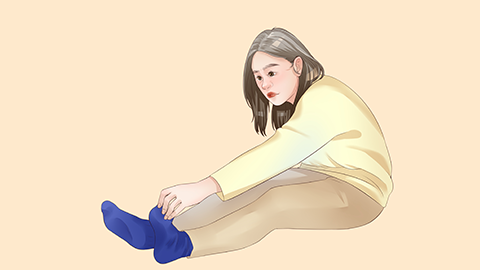
1. Improper Posture
Cesarean section requires a specific body position, and keeping the legs in the same position for a prolonged period may cause poor blood circulation, leading to numbness and cramps. This is usually due to muscles remaining tense for a long time, causing lactic acid buildup and subsequent muscle spasms, which may be accompanied by leg pain and numbness. It is recommended to change positions appropriately after surgery and relieve cramps by massaging the leg muscles.
2. Cold Exposure
If the legs are not adequately kept warm during cesarean section and are exposed to cold environments, muscle spasms may occur in the legs, causing cramps, possibly accompanied by coldness and pain in the leg skin. It is recommended to keep the legs warm after surgery and use heat therapy tools such as hot water bottles to alleviate symptoms.
3. Lack of Exercise
After cesarean section, to promote recovery and rest, the mother may reduce physical activity, and prolonged bed rest may also cause leg cramps, possibly accompanied by muscle weakness and stiffness. It is recommended to perform appropriate rehabilitation exercises, such as simple movements like leg lifts and rotations in bed, to promote blood circulation.
4. Electrolyte Imbalance
After cesarean section, due to blood loss and surgical stress, electrolyte imbalance may occur, especially involving potassium and magnesium ions, which can cause leg cramps, possibly accompanied by other symptoms of electrolyte imbalance such as palpitations and cramps in the hands and feet. It is recommended to take medications such as sodium chloride solution, tolvaptan capsules, and sodium bicarbonate tablets under a physician's guidance.
5. Venous Thrombosis Formation
After cesarean section, due to prolonged bed rest, blood circulation in the lower limbs may slow down, possibly leading to deep vein thrombosis formation, causing leg cramps, which may be accompanied by typical symptoms of thrombosis such as swelling and pain in the lower limbs. It is recommended to take medications such as warfarin sodium tablets, rivaroxaban tablets, and urokinase injections as prescribed by a physician. Appropriate ambulation is also recommended to promote blood circulation in the lower limbs.
When experiencing leg cramps, mothers are advised to immediately straighten the leg and forcefully pull the toes toward the knee for 1–2 minutes, which can quickly relieve the pain caused by the cramp.


