


Can black fungus and shiitake mushrooms be eaten together?
Jan 20, 2025
Source: Cainiu Health

Dr. Yang Ziqi
Introduction
Black fungus is rich in various nutrients, including protein, fat, carbohydrates, vitamins, and minerals. The polysaccharides in black fungus help enhance immune function. Additionally, black fungus contains dietary fiber, which aids in promoting intestinal motility and preventing constipation. Shiitake mushrooms are also rich in nutrients such as protein, fat, carbohydrates, vitamins, and minerals.
Generally speaking, wood ear fungus and shiitake mushrooms can be eaten together. The detailed explanation is as follows:
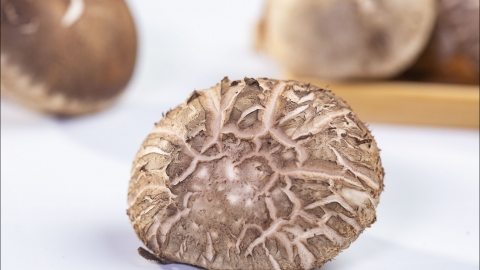
Wood ear fungus is rich in proteins, fats, carbohydrates, vitamins, minerals, and other nutrients. The polysaccharides in wood ear fungus help enhance immunity, while its dietary fiber aids intestinal motility and helps prevent constipation. Shiitake mushrooms are similarly rich in proteins, fats, carbohydrates, vitamins, minerals, and other nutrients. Lentinan, a polysaccharide found in shiitake mushrooms, also enhances immunity. Additionally, shiitake mushrooms contain active substances such as β-glucan that help lower blood pressure and regulate blood lipids and glucose levels.
Both wood ear fungus and shiitake mushrooms are rich in polysaccharides, which can stimulate the immune system and enhance the body's resistance. Therefore, consuming them together can more effectively boost immunity. At the same time, both are excellent sources of dietary fiber, aiding intestinal motility, preventing constipation, and supporting a healthy digestive system.
When consuming these foods, it is recommended to eat them in moderation to avoid symptoms such as abdominal pain, bloating, and diarrhea caused by excessive intake. Additionally, ensure that both the wood ear fungus and shiitake mushrooms are fresh and free from mold or spoilage. Individuals with allergic constitutions should consume them cautiously to avoid allergic reactions.


