


What causes a headache after drinking beer?

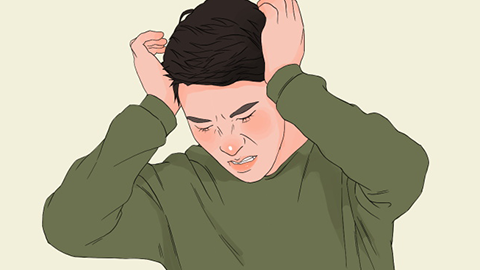
Generally, headaches after drinking beer may be caused by rapid alcohol consumption, alcohol metabolism, dehydration, migraines, hypertension, and other factors. Symptomatic treatment such as general care or medication may be needed. If discomfort persists, it is recommended to seek medical attention promptly and undergo appropriate treatment under a doctor's guidance. Detailed explanations are as follows:
1. Rapid alcohol consumption
Rapid drinking allows alcohol to enter the bloodstream quickly, reaching peak concentrations in a short time, increasing the metabolic burden on the liver, and intensifying the stimulatory effects of alcohol on nerves and blood vessels, thereby worsening headaches. It may also be accompanied by symptoms such as stomach discomfort and dizziness. It is recommended to avoid consuming large amounts of alcohol quickly. Eating food or drinking some milk before drinking may help protect the gastric mucosa.
2. Alcohol metabolism
The human body has a limited capacity to metabolize alcohol. Alcohol is metabolized in the body into acetaldehyde, a toxic substance that can dilate blood vessels and cause inflammatory reactions. When acetaldehyde levels exceed the body's processing capacity, headaches may occur, possibly accompanied by nausea, vomiting, palpitations, and other symptoms. It is recommended to drink alcohol in moderation and ensure adequate rest and hydration to promote alcohol metabolism.
3. Dehydration
Alcohol has diuretic effects, which can lead to fluid and electrolyte imbalance in the body, resulting in dehydration. In a dehydrated state, brain tissue slightly contracts, pulling on the meninges and causing headaches, which may also be accompanied by symptoms such as thirst, dark yellow urine, and dizziness. It is recommended to drink water in moderation while consuming alcohol to maintain fluid balance.
4. Migraine
Components in alcohol, such as tyramine and histamine, can trigger abnormal neurotransmitter release in migraine sufferers, causing blood vessel dilation and inflammatory reactions, thus inducing migraines. Symptoms may also include visual disturbances, nausea, light and sound sensitivity. It is recommended to take medications such as sumatriptan tablets, zolmitriptan tablets, and nimodipine tablets as directed by a physician to relieve symptoms.
5. Hypertension
Long-term high-salt diets, emotional fluctuations, genetic factors, and other reasons may cause hypertension. After alcohol consumption, hypertensive patients may experience sympathetic nervous system excitation, leading to abnormal vasoconstriction and elevated blood pressure. Increased blood pressure exacerbates pressure on cerebral blood vessels, causing headaches, which may be accompanied by palpitations, chest tightness, blurred vision, and other symptoms. It is recommended that patients take medications such as nifedipine sustained-release tablets, amlodipine besylate tablets, and irbesartan dispersible tablets under a doctor's guidance to control blood pressure levels.
If headaches occur after drinking beer, it is recommended to drink more water, such as plain water or light tea, which can help eliminate alcohol from the body and alleviate headache symptoms.


