


The scar has been red for six months and is still very red, why is that?

Generally, if a scar remains red for as long as six months, it may be related to factors such as the physiological process of wound healing, skin pigmentation, differences in blood circulation, scar hyperplasia, or postoperative suppurative infection of soft tissues. It is recommended to seek timely medical consultation to determine the exact cause and receive appropriate symptomatic treatment under the guidance of a qualified physician. Detailed analysis is as follows:
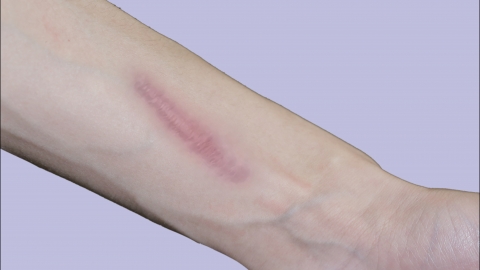
1. Physiological Process of Wound Healing
The redness of scars is typically due to the formation of new granulation tissue and blood vessel proliferation during the healing process. These newly formed tissues are rich in blood, causing the scar to appear red. It is recommended to keep the wound clean and dry to avoid infection, which can help promote healing and reduce scar formation.
2. Skin Pigmentation
During wound healing, skin cells may produce excessive melanin, leading to pigmentation in the scar area, making the scar more noticeable. It is advisable to avoid direct sunlight on the scar area and to use sunscreen or protective clothing to shield the scar from UV exposure.
3. Differences in Blood Circulation
Blood circulation in the scar area may differ from that of the surrounding normal skin, potentially causing blood stagnation in the scar area, thereby intensifying the redness. Appropriate massage or physical therapy may help improve blood circulation in the scar area and reduce redness.
4. Scar Hyperplasia
Scar hyperplasia is usually caused by excessive proliferation of fibrous connective tissue. During wound healing, overgrowth of fibroblasts can lead to abnormally thickened scar tissue, making the scar more prominent and red. It is often accompanied by symptoms such as itching, prickling, or burning pain. Treatment may include the application of medications such as asiaticoside cream, triamcinolone acetonide acetic acid injection, or compound betamethasone injection, as directed by a physician.
5. Postoperative Suppurative Infection of Soft Tissues
Postoperative suppurative infection of soft tissues is usually associated with bacterial or viral infections. Bacterial invasion into the surgical wound can cause redness of the skin, often accompanied by swelling, itching, and pain. Under a doctor's guidance, antibiotics such as amoxicillin capsules, cefixime dispersible tablets, or roxithromycin capsules may be used for treatment.
In daily life, it is important to keep the wound clean and dry, apply sunscreen, wear long-sleeved clothing, and avoid ultraviolet radiation to prevent accelerated pigmentation.


